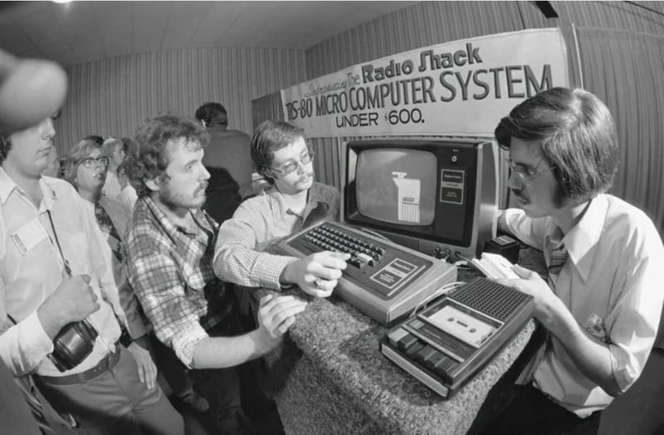
The Radio Shack TRS-80 Micro Computer System debuted in 1977.
Today, the TRS-80 is still remembered fondly by tech enthusiasts
as one of the most important computers ever created.
The Radio Shack TRS-80 Micro Computer System debuted in 1977.
Today, the TRS-80 is still remembered fondly by tech enthusiasts
as one of the most important computers ever created.
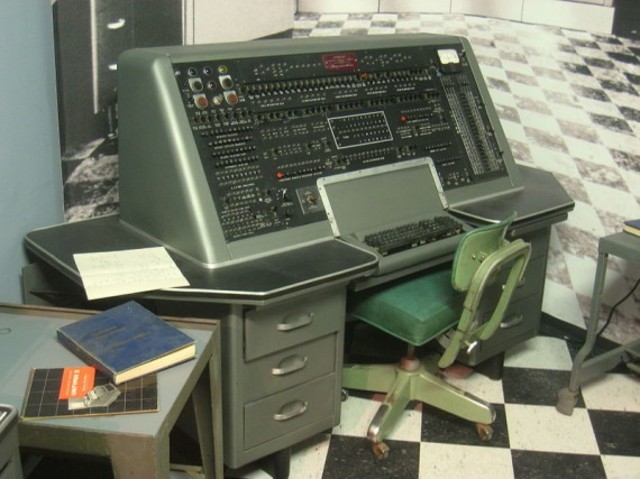
On June 14, 1951, the U.S. Census Bureau dedicated UNIVAC,
the first commercially produced electronic digital computer in
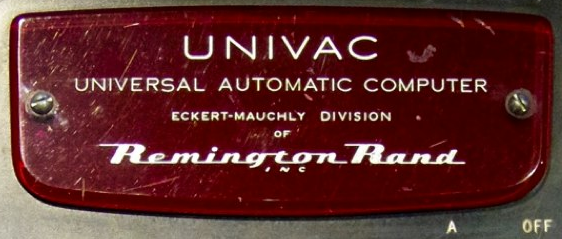
the United States. UNIVAC, which stood for Universal Automatic Computer, was developed by a team of engineers led by J.
Presper Eckert and John Mauchly, makers of ENIAC, the first
general-purpose electronic digital computer. These giant
computers, which used thousands of vacuum tubes for
computation, were the forerunners of today’s digital
computers.
John William Mauchly and J. Presper Eckert


Sir Timothy John Berners-Lee
On April 30, 1993, four years after publishing a proposal for
“an idea of linked information systems,” computer scientist
Tim Berners-Lee (above) released the source code for the
world’s first web browser and editor. Originally called Mesh,
the browser that he dubbed WorldWideWeb became the first
royalty-free, easy-to-use means of browsing the emerging
information network that developed into the internet as we
know it today.
Berners-Lee was a fellow at CERN, the research organization headquartered in Switzerland. Other research institutions like
the Massachusetts Institute of Technology and Stanford
University had developed complex systems for internally
sharing information, and Berners-Lee sought a means of
connecting CERN’s system to others.
He outlined a plan for such a network in 1989 and developed
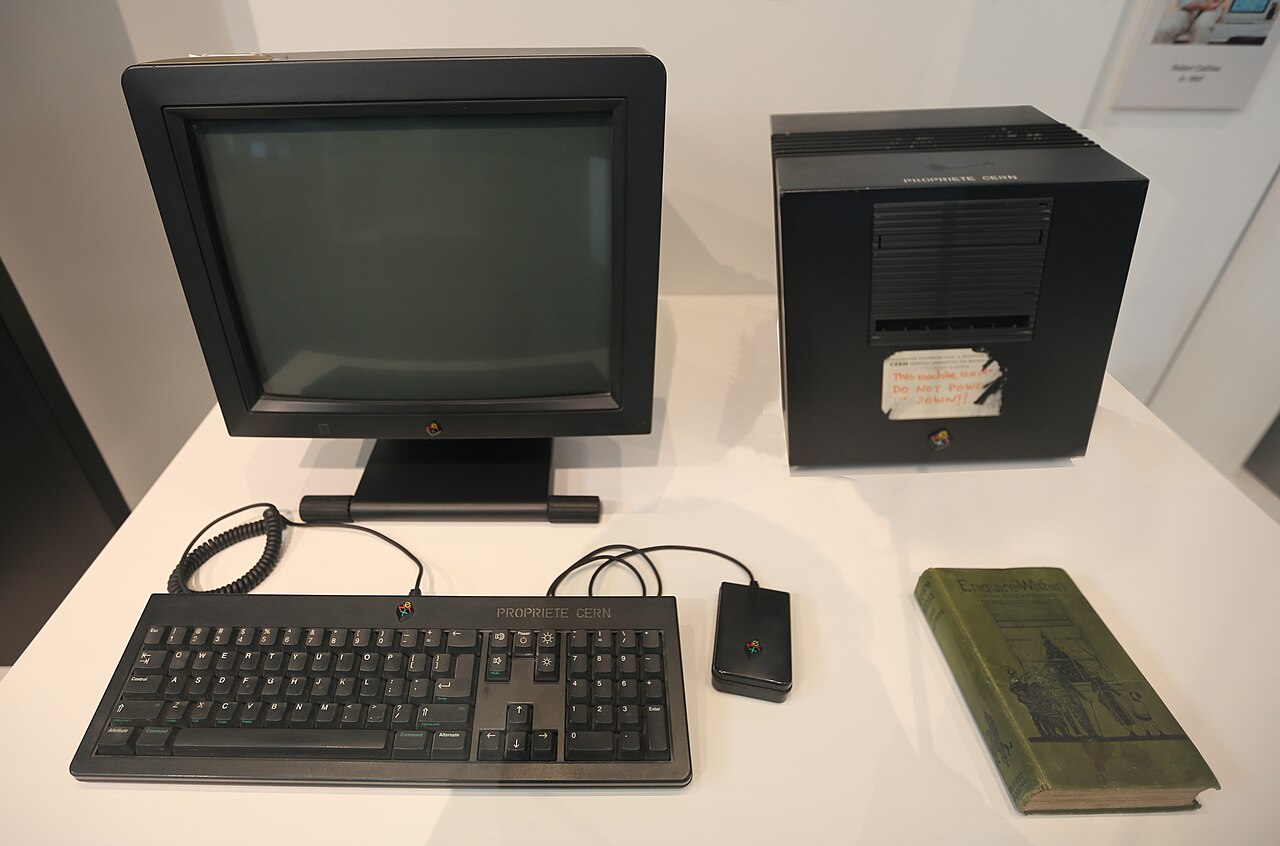
it over the following years. The computer he used, a NeXT
desktop (below) became the world’s first internet server.
Berners-Lee wrote and published the first web page, a
simplistic outline of the WorldWideWeb project, in 1991.
![]()
Irving Berlin
(May 11, 1888 – September 22, 1989)
Irving Berlin was a American composer, songwriter
and lyricist. His music forms a great part of the
Great American Songbook.
He wrote hundreds of songs, many becoming major
hits, which made him famous before he turned thirty.
During his 60-year career he wrote an estimated 1,500
songs, including the scores for 20 original Broadway
shows and 15 original Hollywood films, with his songs
nominated eight times for Academy Awards.
Many songs became popular themes and anthems,
including "Alexander’s Ragtime Band", "Easter Parade",
"Puttin’ on the Ritz", "Cheek to Cheek", and
"White Christmas",