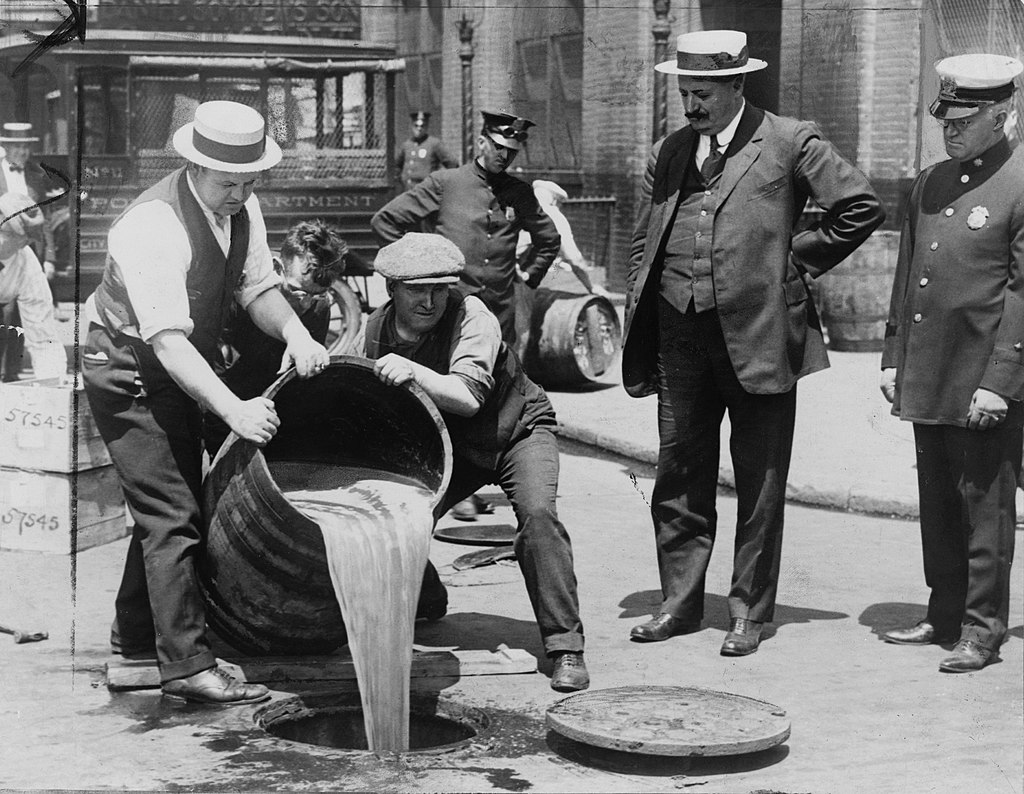
The 18th Amendment to the U.S. Constitution, a progressive effort
to enforce social reform via expanded federal power and popularly known as Prohibition, was ratified on this day in history, Jan. 16,
1919.
The amendment stated, "The manufacture, sale, or transportation
of intoxicating liquors within, the importation thereof into, or the exportation thereof from the United States and all the territory
subject to the jurisdiction thereof for beverage purposes is
hereby prohibited.”
Prohibition ended with the ratification of the Twenty-first
Amendment, which repealed the Eighteenth Amendment
on December 5, 1933.



A dramatic battle in the Tennessee House of Representatives
ended with the state ratifying the 19th Amendment to the
United States Constitution on August 18, 1920. After decades
of struggle and protest by suffragettes across the country,
the decisive vote is cast by a 24-year-old representative who
reputedly changed his vote after receiving a note from his
mother.
Signing of the 19th Amendment.


July 28, 1868: Following its ratification by the necessary three-
quarters of U.S. states, the 14th Amendment, granting citizenship
to all persons born or naturalized in the United States—including formerly enslaved people—was officially adopted into the U.S. Constitution. Secretary of State William Seward issues a
proclamation certifying the amendment.

William Henry Seward
(May 16, 1801 – October 10, 1872)

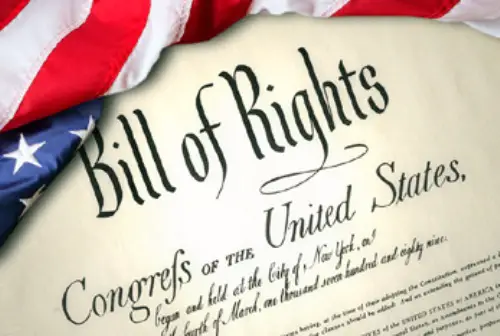
The first Congress of the United States approved 12 amendments
to the U.S. Constitution, and sent them to the states for ratification.
The amendments, known as the Bill of Rights, were designed to
protect the basic rights of U.S. citizens, guaranteeing the freedom
of speech, press, assembly, and exercise of religion; the right to
fair legal procedure, to bear arms; and that powers not delegated
to the federal government were reserved for the states and the
people.