Archive for the 'Oregon History' Category

AMUSEMENT PARK CREATOR HAS DIED

Sweetie Suz: The Enchanted Forest, Salem, Oregon

TURNER, Ore. — The man behind Oregon’s iconic Enchanted
Forest amusement park in Turner has passed away.

Family members said that Roger Tofte (above) who created
the park south of Salem off of Interstate 5 more than half a
century ago, has died at age 96.

Tofte built much of the park by hand, opening it to the public
in August of 1971.

Breathing New Life into Maryland's Abandoned Enchanted Forest (PHOTOS) |  The Weather Channel

Md. woman works to preserve Enchanted Forest memories (Photos) - WTOP News

This Oregon family-owned amusement park ...

posted by Bob Karm in CURRENT EVENTS,DEATH,Founders,Oregon History,Theme Park and have No Comments

FILMED IN OREGON MOVIE WAS RELEASED

National Lampoon's Animal House | Rotten Tomatoes

On July 28, 1978, National Lampoon’s Animal House, a movie
spoof about 1960s college fraternities starring John Belushi,
opened in U.S. theaters. It was the first film produced by
National Lampoon.
       
Produced with an estimated budget of $3 million, Animal House
became a huge, multi-million-dollar box-office hit, spawned a
slew of cinematic imitations and became part of pop-culture
history.
 

Animal House': A look back at the classic film 40 years later - ABC News

✏️ ✏️

posted by Bob Karm in ANNIVERSARY,Comedy,HISTORY,Movie Premiered,Oregon History and have No Comments

BRITISH MERCHANT SHIP, THEN AND NOW

undefined
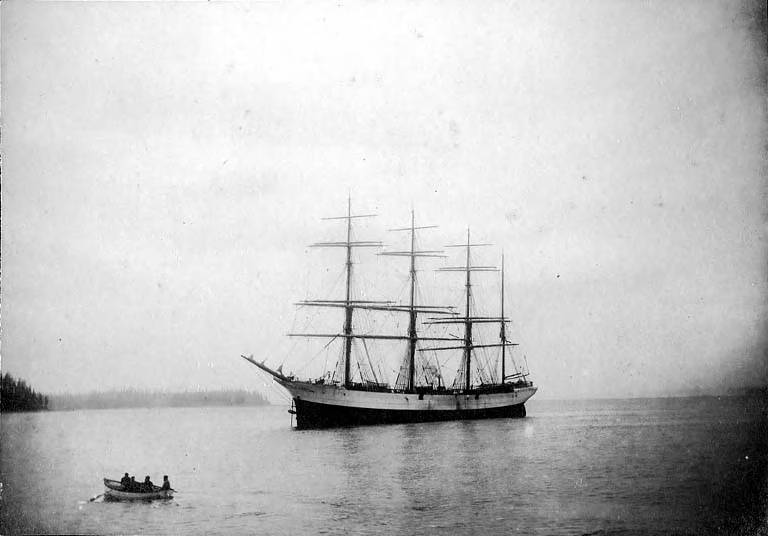
Peter Iredale in Seattle, circa 1900.

Peter Iredale was a four-masted steel barque that ran ashore
October 25, 1906, on the
Oregon coast en route to the Columbia
River
. She was abandoned on Clatsop Spit near Fort Stevens
in
Warrenton about four miles (6 km) south of the Columbia
River channel.       

       
Wreckage is still visible, making it a popular tourist attraction as
one of the most accessible
shipwrecks of the Graveyard of the
Pacific
.

The ship was named after Peter Iredale, who not only owned the
vessel as part of his shipping fleet, but was also a well-known
figure in
Liverpool, England, where his business was
headquartered.
   (From Wikipedia, the free encyclopedia)  


Peter Iredale Biography
Peter Iredale
     
Iredale retired in 1899 at the age of 76 
and died shortly afterwards on the 26th 
of October the same year.

undefined
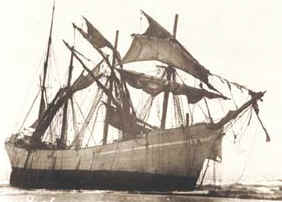
Peter Iredale shortly after grounding in 1906.

posted by Bob Karm in HISTORY,Maritime Disaster,Oregon Coast,Oregon History,Shipwreck and have No Comments

GREAT EMIGRATION TO THE WEST BEGAN

The Great Migration of 1843 departs for Oregon!

The first major wagon train to the northwest departs from Elm
Grove, Missouri, on the
Oregon Trail.

Although U.S. sovereignty over the Oregon Territory was not
clearly established until 1846, American fur trappers and
missionary groups had been living in the region for decades,
to say nothing of the Native Americans who had settled the
land centuries earlier.

Dozens of books and lectures proclaimed Oregon’s agricultural
potential, piquing the interest of white American farmers. The
first overland migrants to Oregon, intending primarily to farm,
came in 1841 when a small band of 70 pioneers left Independence, Missouri.

They followed a route blazed by fur traders, which took them west
along the Platte River through the Rocky Mountains via the easy
South Pass in
Wyoming and then northwest to the Columbia River.

In the years to come, pioneers came to call the route the Oregon
Trail. The trail was heavily traveled until 1884, when the Union
Pacific constructed a railway along the route.

Oregon Trail and Conestogas: Really? - Buffalo Bill Center of the West

10 Eye Opening Details about Life on the Oregon Trail - History Collection

History: Oregon Trail

What Was the Oregon Trail? History and Legacy | TheCollector

The Hard Day in The Life of a Pioneer on The Oregon Trail... - YouTube

posted by Bob Karm in ANNIVERSARY,HISTORY,Immigration,Oregon History,Oregon Trail and have No Comments

JOURNEY FOR HOME BEGAN ON THIS DAY

The Lewis and Clark Expedition - Discovering Montana
Conferring with Clatsop Indians at the fort.


After passing a wet and tedious winter near the Pacific Coast,
Lewis and Clark left behind Fort Clatsop and headed east for
home.

The Corps of Discovery arrived at the Pacific the previous
November, having made a difficult crossing over the rugged
Rocky Mountains.

Their winter stay on the south side of the Columbia River—
dubbed Fort Clatsop in honor of the local Native American
tribe—had been plagued by rainy weather and a scarcity of
fresh meat. No one in the Corps of Discovery regretted
leaving Fort Clatsop behind.

In the days before their departure, Captains Lewis and Clark
prepared for the final stage of their journey. Lewis recognized
the possibility that some disaster might still prevent them from
making it back east and he prudently left a list of the names of
all the expedition’s men with Chief Coboway of the Clatsops.

Lewis asked the chief to give the list to the crew of the next
trading vessel that arrived so the world would learn that the
expedition did reach the Pacific.

The months to come would witness some of the most
dangerous moments of the journey, including Lewis’
violent confrontation with members of the Blackfeet tribe
near the Marias River of Montana in July.

Nonetheless, seven months later to the day, on September
23, 1806, the Corps of Discovery arrived at the docks of St.
Louis, where their long journey had begun nearly two and a
half years before.       

Lewis and Clark
    
 Key Events - Lewis, CLark, and the corps of discovery   


posted by Bob Karm in ANNIVERSARY,Expedition,Explorer,HISTORY,Oregon History and have No Comments