

ED DANAHUE


At the Wesleyan Chapel in Seneca Falls, New York, a
woman’s rights convention—the first ever held in the
United States—convened with almost 200 women in
attendance.
The convention was organized by Lucretia Mott and
Elizabeth Cady Stanton, two abolitionists who met at
the 1840 World Anti-Slavery Convention in London.
As women, Mott and Stanton were barred from the
convention floor, and the common indignation that
this aroused in both of them was the impetus for
their founding of the women’s rights movement in
the United States.


Suffragist organizers held the first-ever National Women’s
Rights Convention in Worcester, Massachusetts on October
23, 1850.
More than 1,000 delegates from 11 states arrived for the two-
day conference, which had been planned by members of the
Anti-Slavery Society.

Lucy Stone (August 13, 1818 – October 18, 1893)
Lucy Stone was one of many speakers who argued
for equal enfranchisement for women. “We want that
[women] should attain to the development of her
nature and womanhood; we want that when she dies,
it may not be written on her gravestone that she was
the [widow] of somebody,” Stone said in a speech.
Her speech and the convention’s proceedings were
recorded and sold after the event, helping the
movement gain international recognition.

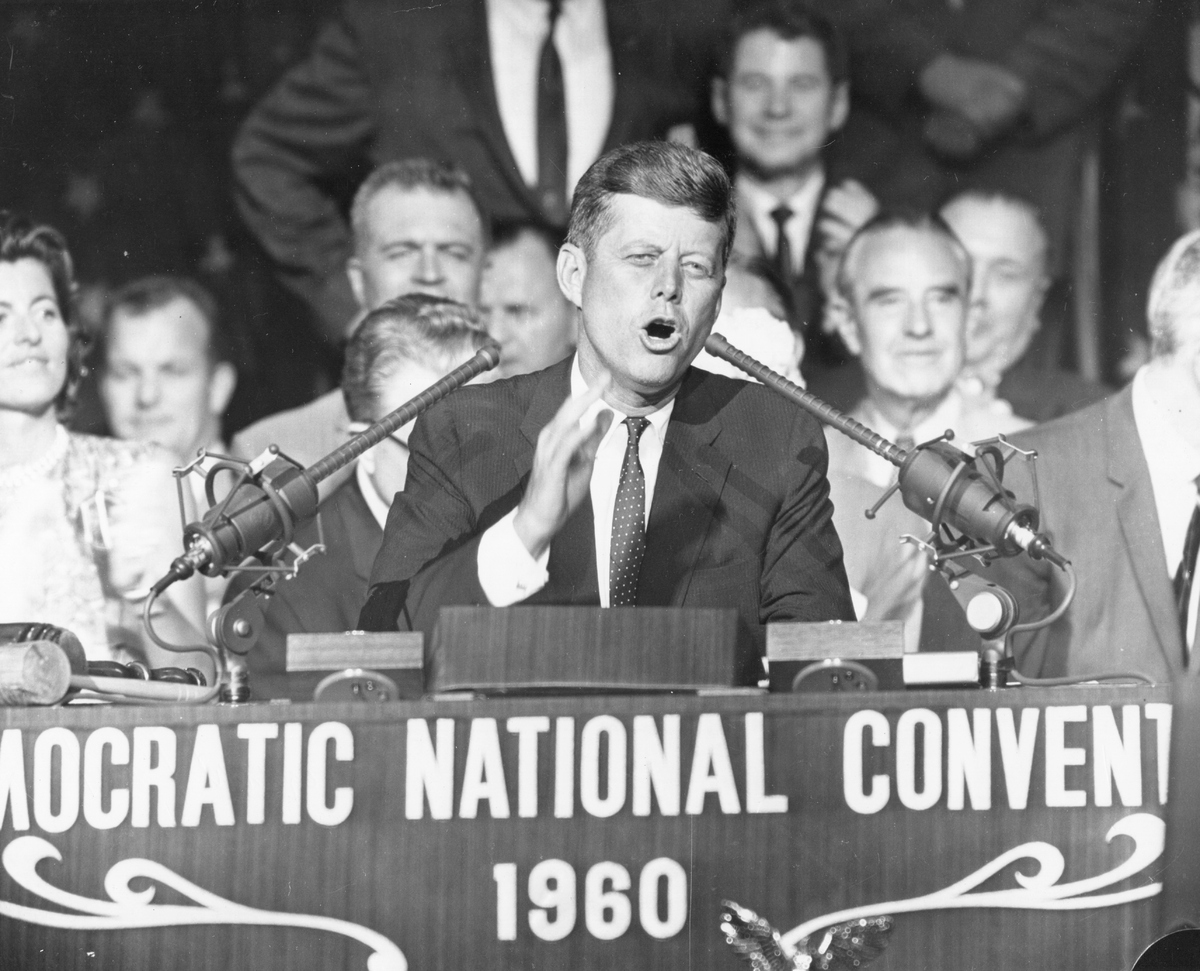
In Los Angeles, California, Senator John F. Kennedy of
Massachusetts was nominated for the presidency by the
Democratic Party Convention, defeating Senator Lyndon
B. Johnson of Texas. The next day, Johnson was named
Kennedy’s running mate by a unanimous vote of the
convention.

Senators Kennedy and Johnson during the 1960 campaign.

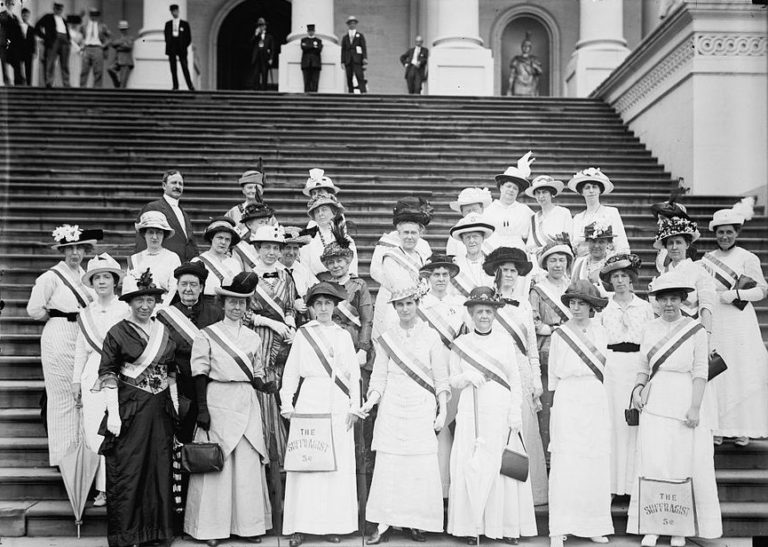
Suffragist organizers held the first-ever National Women’s
Rights Convention in Worcester, Massachusetts on this day
in 1850.
More than 1,000 delegates from 11 states arrived for the two-
day conference, which had been planned by members of the
Anti-Slavery Society.
The convention followed the steps laid out at the landmark
Seneca Falls Convention two years before.

Abby Kelley Foster (1811-1887)
During her remarkable life, Abby helped develop
plans for the first National Woman’s Rights
Convention.


