Archive for the 'MILITARY' Category

THE G.I. BILL WAS SIGNED ON THIS DAY IN 1944

HONORING G.I. BILL ARCHITECT - Manteca Bulletin


On June 22, 1944, U.S. President Franklin D. Roosevelt signed
the
G.I. Bill
, an unprecedented act of legislation designed to
compensate
returning members of the armed services—known
as G.I.s—for their efforts in
World War II
.

As the last of its sweeping New Deal reforms, Roosevelt’s
administration created the G.I. Bill (officially the Servicemen’s Readjustment Act of 1944) hoping to avoid a relapse into the
Great Depression after the war ended.

Over 50 years, the impact of the G.I. Bill was enormous, with
20 million veterans and dependents using the education
benefits and 14 million home loans guaranteed, for a total
federal investment of $67 billion.


G. I. Bill of Rights World War II Veterans Benefits Signed by FDR 1944  Newspaper | eBay

FDR's GI Bill Helped Create America's Modern Middle Class

Listen to G.I. Bill | HISTORY Channel

posted by Bob Karm in ANNIVERSARY,G.I. BILL,MILITARY,President and have No Comments

BLOODY WAR BATTLE ENDED ON THIS DAY

On this day in history, April 1, 1945, US forces invade Okinawa, last major  battle of World War II | Fox News


During
World War II, the U.S. 10th Army overcame the last major
pockets of Japanese
resistance on Okinawa Island
, ending one
of the bloodiest battles of World War II.

The same day, Japanese Lieutenant General Mitsuru Ushijima,
the commander of Okinawa’s defense, committed suicide with
a number of Japanese officers and troops rather than surrender.

Mitsuru Ushijima - Wikipedia
Mitsuru Ushijima
(31 July 1887 – 22 June 1945)          
          
          
 The new battle of Okinawa        

5 Facts About The Battle of Okinawa During World War 2

Battle of Okinawa: Historic Overview & Importance

Battle of Okinawa | The National WWII Museum | New Orleans

posted by Bob Karm in ANNIVERSARY,Battle,HISTORY,Maps,MILITARY and have No Comments

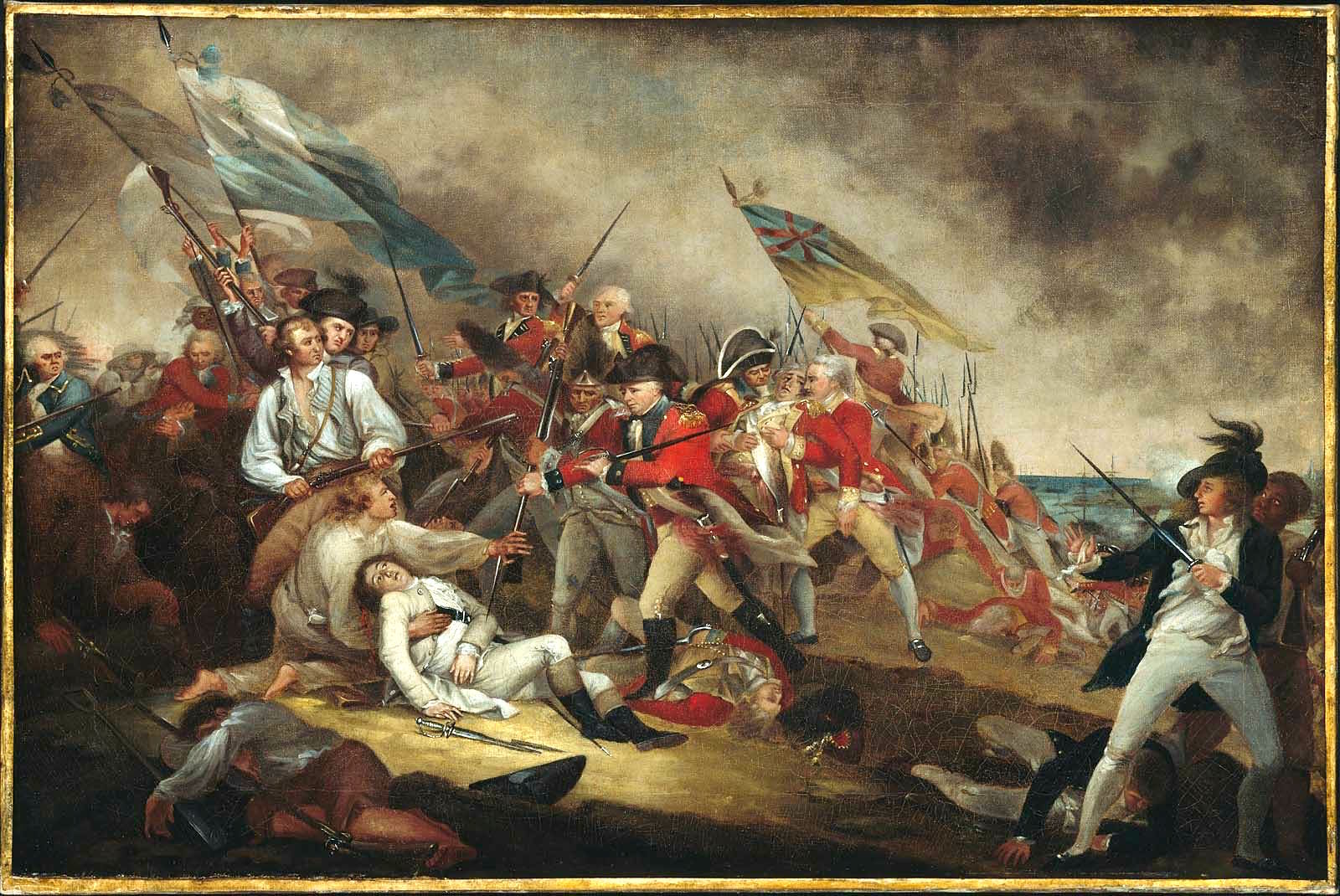
BATTLE BEGAN ON THIS DAY IN 1775

Battle of Bunker Hill - Wikipedia
The Death of General Warren at the Battle of Bunker’s Hill.

British General Thomas Gage landed his troops on the
Charlestown Peninsula overlooking
Boston, Massachusetts,
and lead them against Breed’s Hill, a fortified American
position just below
Bunker Hill, on June 17, 1775.

As the British advanced in columns against the Americans,
American Colonel William Prescott reportedly told his men,
“Don’t one of you fire until you see the whites of their eyes!”

The British won the so-called Battle of Bunker Hill, and Breed’s
Hill and the Charlestown Peninsula fell firmly under British
control.

Despite losing their strategic positions, the battle was a morale-
builder for the Americans, convincing them that patriotic
dedication could overcome superior British military might.

Fact or Fiction: Don't Fire Until You See the Whites of Their Eyes –  Revolutionary War Journal
Colonel William Prescott

undefined

undefined

posted by Bob Karm in ANNIVERSARY,Battle,British Army,HISTORY,MILITARY and have No Comments

FIRST AFRICAN AMERICAN TO GRADUATE

American - Henry Ossian Flipper, the first African American cadet to  graduate from the United States Military Academy at West Point in 1877. He  was also the first Black man to be

On June 14, 1877 Henry Ossian Flipper (1856 – 1940), born
into slavery in
Thomasville, Georgia, in 1856, became the
first African American cadet to graduate from the U.S.
Military Academy
at West Point, New York, earning a
commission as a second lieutenant in the United States
Army
.

Flipper was also an author who wrote about scientific topics
and his life experiences.


A painting depicting Lt. Flipper near the Rio Grande River,
TX in 1880 while scouting with company A, 10th US Cavalry
Regiment.


posted by Bob Karm in African American,ANNIVERSARY,HISTORY,MILITARY,Painting,West Point and have No Comments

BATTLE CAME TO AN END ON THIS DAY

June 8, 1942, newspaper headlines declare "Midway battle ends in great U.S.  victory" - Newspapers.com™

On June 7, 1942, the Battle of Midway—one of the most
decisive U.S. victories in its war against Japan—came to
an end. In the four-day sea and air battle, the outnumbered
U.S. Pacific Fleet succeeded in destroying four Japanese
aircraft carriers with the loss of only one of its own, the
Yorktown, thus reversing the tide against the previously
invincible Japanese navy.

At the Battle of Midway, Japan lost four carriers, a cruiser,
and 292 aircraft, and suffered 2,500 casualties.

The U.S. lost the Yorktown, the destroyer USS Hammann,
145 aircraft, and suffered 307 casualties.

Allies Win Battle of Midway | Mystic Stamp Discovery Center

Today In History على X: "4 June 1942: During World War II, the main part of  the Battle of Midway begins. It is often referred to as the turning point  of the

posted by Bob Karm in AIRCRAFT,ANNIVERSARY,Battle,Battleship,HISTORY,MILITARY,Navy ships,NEWSPAPER and have No Comments