DOLL MADE IT’S DEBUT ON THIS DAY IN 1959

Barbie 35th Anniversary Reproduction of Original 1959 Barbie image 1
On March 9, 1959, the first Barbie doll went  on display at the
American Toy Fair in
New York City.

Eleven inches tall, with a waterfall of blond hair, Barbie was the
first mass-produced toy doll in the United States with adult
features. The woman behind Barbie was Ruth Handler, who co-
founded Mattel, Inc. with her husband in 1945. After seeing her
young daughter ignore her baby dolls to play make-believe with
paper dolls of adult women, Handler realized there was an
important niche in the market for a toy that allowed little girls
to imagine the future.

See the source image
First Barbie TV commercial in 1959.

See the source image
The woman behind Barbie was Ruth Handler,who co-founded Mattel, Inc. with her husband in 1945.

posted by Bob Karm in ANNIVERSARY,CHILDREN,DEBUT,Dolls,Founders,HISTORY,Toys,TV commercial and have No Comments

THIS REMINDER FROM THE RETRO BLOG ~

See the source image

See the source image

posted by Bob Karm in Blog Reminder,CURRENT EVENTS,DAYLIGHT SAVINGS TIME and have No Comments

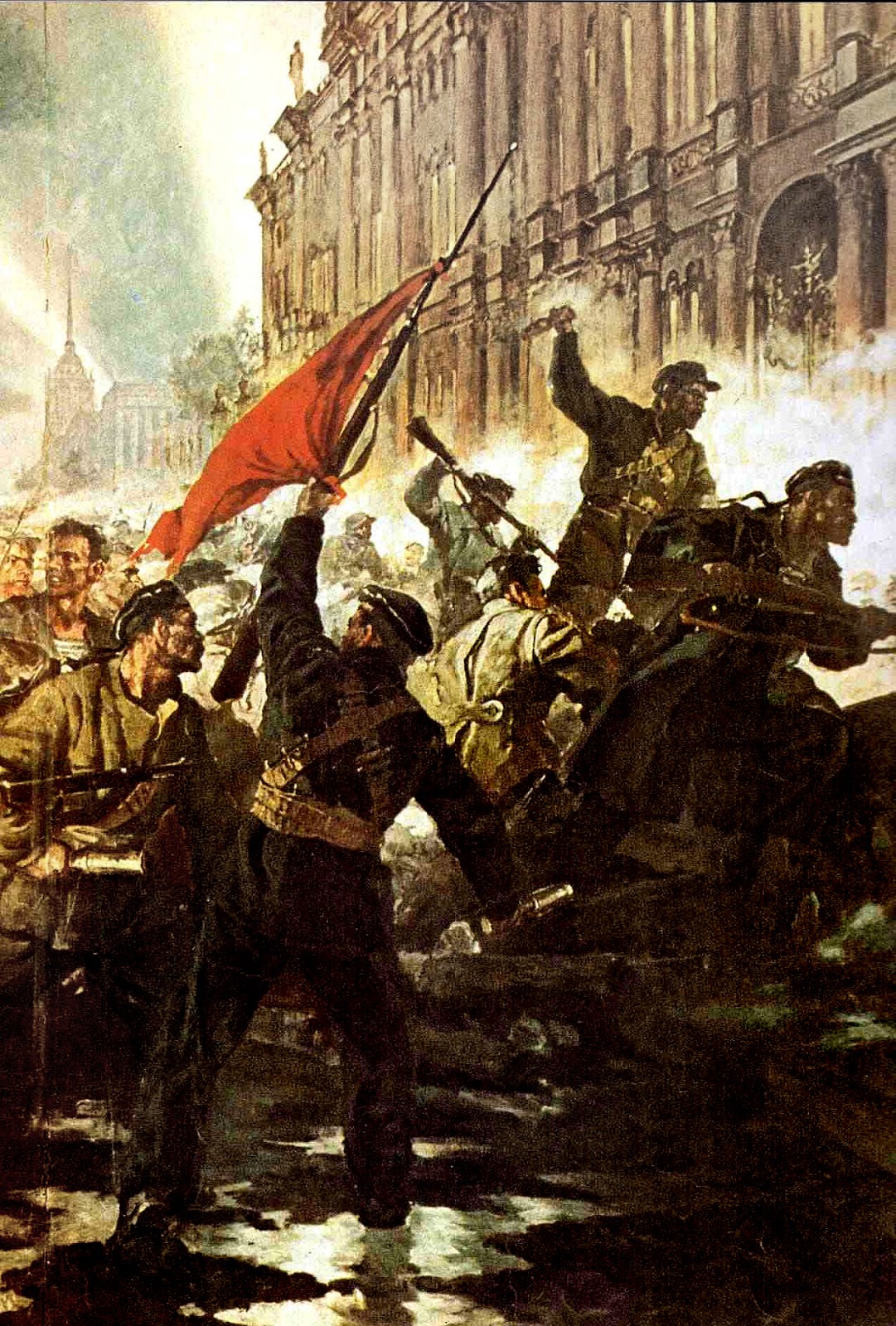
REVOLUTION BAGAN ON THIS DAY IN 1917

See the source image

   See the source image 

    
                                                          See the source image


In Russia, the February Revolution (known as such because of
Russia’s use of the Julian calendar) began on March 8, 1917
when riots and strikes over the scarcity of food erupt in
Petrograd. One week later, centuries of czarist rule in Russia
ended with the
abdication of Nicholas II, and Russia took a
dramatic step closer toward communist revolution.

By 1917, most Russians had lost faith in the leadership ability
of the czarist regime. Government corruption was rampant, the
Russian economy remained backward, and Nicholas repeatedly dissolved the Duma, the Russian parliament established after
the Revolution of 1905, when it opposed his will. However, the
immediate cause of the February Revolution—the first phase of
the
Russian Revolution of 1917—was Russia’s disastrous
involvement in
World War I.

See the source image

See the source image

See the source image

posted by Bob Karm in ANNIVERSARY,Communism,HISTORY,MILITARY,Revolution and have No Comments

BELL RECEIVED PATENT ON THIS DAY IN 1876

See the source image

On March 7, 1876, 29-year-old Alexander Graham Bell received a
patent for his revolutionary new invention: the telephone.

The Scottish-born Bell worked in London with his father, Melville
Bell, who developed Visible Speech, a written system used to
teach speaking to the deaf. In the 1870s, the Bells moved to
Boston, Massachusetts, where the younger Bell found work as
a teacher at the Pemberton Avenue School for the Deaf. He later
married one of his students, Mabel Hubbard.

While in Boston, Bell became very interested in the possibility of transmitting speech over wires. Samuel F.B. Morse’s invention
of the telegraph
in 1843 had made nearly instantaneous
communication possible between two distant points.

With the help of Thomas A. Watson, a Boston machine shop
employee, Bell developed a prototype.

See the source image

posted by Bob Karm in ANNIVERSARY,HISTORY,Invation,Inventor,Patent,Telephone and have No Comments

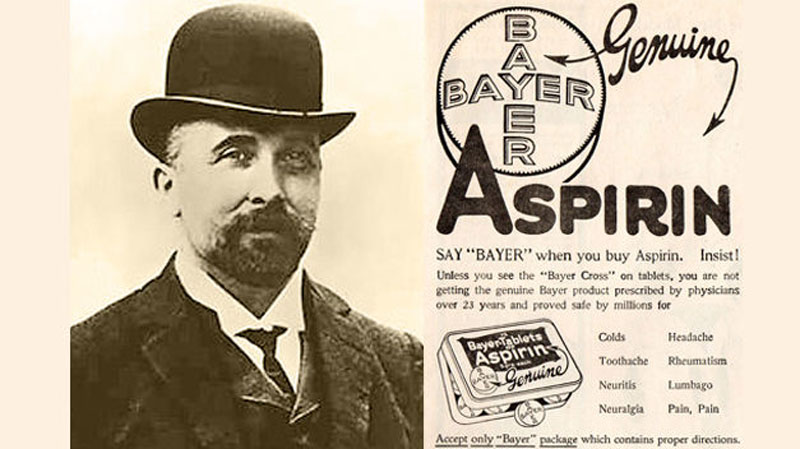
ASPIRIN PATENT FILED ON THIS DAY IN 1899

See the source image
Felix Hoffmann
(21 January 1868 – 8 February 1946)


The German company Bayer patents aspirin on March 6, 1899.
Now the most common drug in household medicine cabinets, acetylsalicylic acid was originally made from a chemical found
in the bark of willow trees. In its primitive form, the active
ingredient, salicin, was used for centuries in folk medicine,
beginning in ancient Greece when Hippocrates used it to relieve
pain and fever. Known to doctors since the mid-19th century, it
was used sparingly due to its unpleasant taste and tendency to
damage the stomach.

In 1897, Bayer employee Felix Hoffmann found a way to create a
stable form of the drug that was easier and more pleasant to take.
(Some evidence shows that Hoffmann’s work was really done by
a Jewish chemist, Arthur Eichengrun, whose contributions were
covered up during the Nazi era.)

                         See the source image

posted by Bob Karm in ANNIVERSARY,Chemistry,CLASSIC ADS,Drugs,HISTORY,Medicine,Patent and have No Comments