On February 16, 1923, in Thebes, Egypt, English archaeologist
Howard Carter (center above) entered the sealed burial chamber
of the ancient Egyptian ruler King Tutankhamen.


On February 16, 1923, in Thebes, Egypt, English archaeologist
Howard Carter (center above) entered the sealed burial chamber
of the ancient Egyptian ruler King Tutankhamen.

At 2:00 p.m. on Friday, February 16, 1968, history was
made. That’s when state Rep. Rankin Fite made the
first call to 911 in the nation.

U.S. Rep. Tom Bevill answers the first 911 call at the
Haleyville (Ala.) police station with “Hello.” Directly
behind him is Bull Connor, head of the state’s Public
Service Commission, and B.W. Gallagher, president
of the Alabama Telephone Co.
February 16, 1968 saw the first official "911" call placed in the
United States. Now taken for granted as first course of action
in the event of emergency by nearly all of the nation’s 327
million people, 911 is a relatively recent invention and was
still not standard across the United States for many years
after its adoption by Congress.
As telephones became common in U.S. households, fire
departments around the country recommended establishing
a single, simple number to be dialed in the event of a fire or
other emergency.
A similar system had been implemented in the United Kingdom
decades earlier, in 1936, when the code 999 was chosen for
emergency telegraph and phone communications.
The Federal Communications Commission decided to act in
1967, but the number itself came not from the government
but from AT&T.

The red phone used to make the first call to 911.
On this day in 1950, Cinderella made a bibbidi, bobbidi de-boo
in theaters. In the ads to market the film, Cinderella promised
to “Put a smile in your heart… and laughter in your dreams.”
The ad continued, “A story written in stardust… six years in
the making… Walt Disney’s Cinderella will give a new gleam
to your hopes, a new lift to your life.
You’ll take it to your heart, not only because it’s the greatest
love story ever told — though that’s reason enough if you’ve
ever been in love. But because it’s so full of the wonderful fun,
hilarious characters, singable songs — the sheer enchantment
that comes only from Disneyland.”


On February 15, 1903, toy store owner and inventor Morris
Michtom places two stuffed bears in his shop window,
advertising them as Teddy bears.
Michtom had earlier petitioned President Theodore Roosevelt
for permission to use his nickname, Teddy.
The president agreed and, before long, other toy manufacturers
began turning out copies of Michtom’s stuffed bears, which
soon became a national childhood institution.

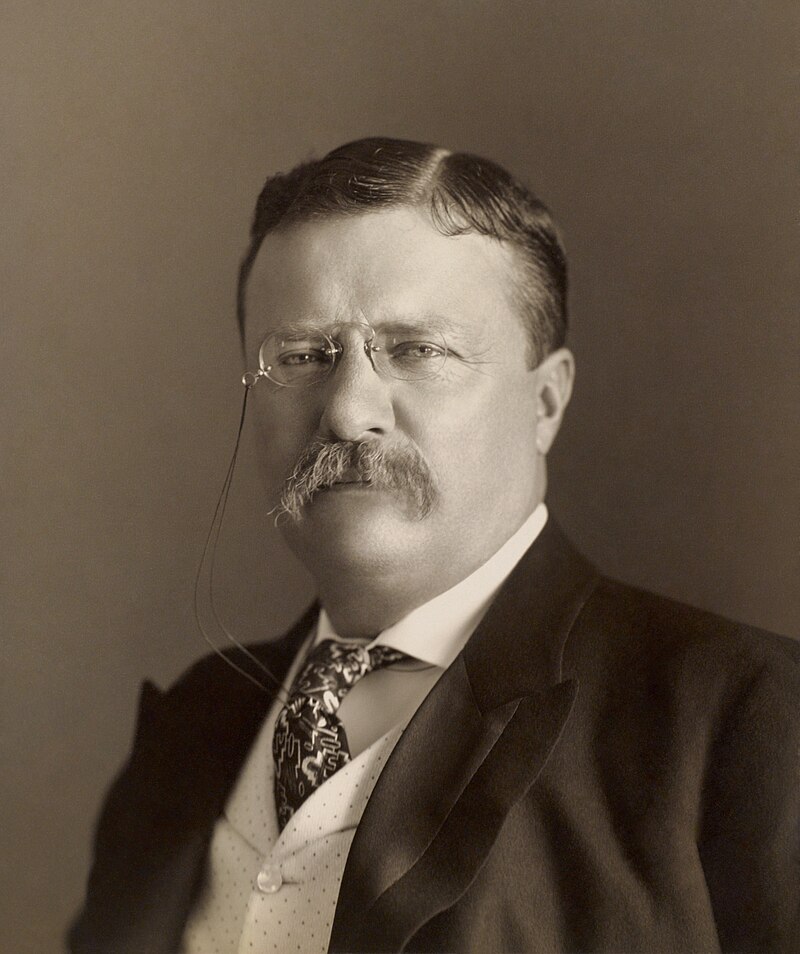
Theodore Roosevelt Jr.
(October 27, 1858 – January 6, 1919)

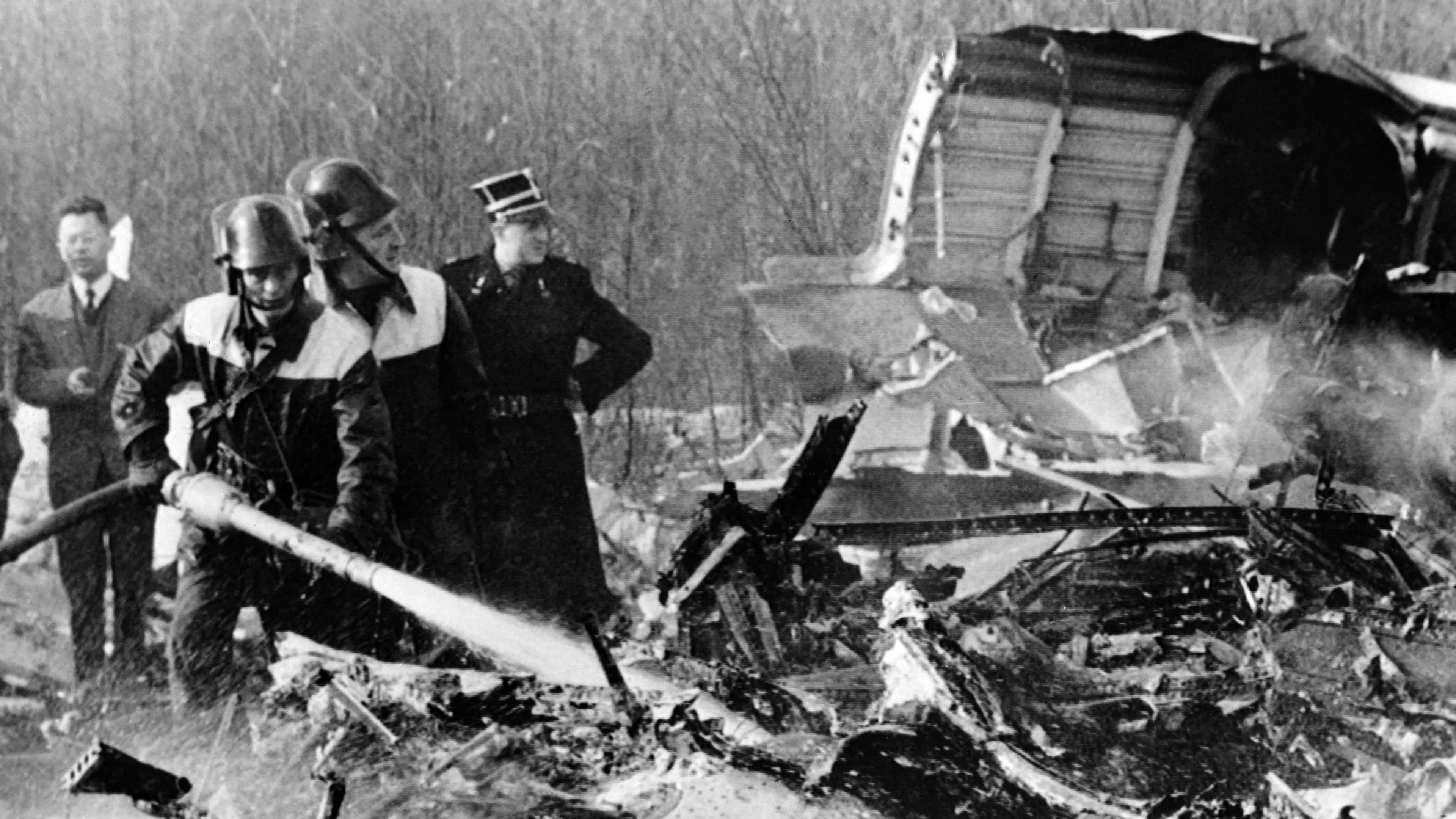
On February 15, 1961, the entire 18-member U.S. figure skating
team was killed in a plane crash in Berg-Kampenhout, Belgium.
The team was on its way to the 1961 World Figure Skating Championships in Prague, Czechoslovakia.
Among those killed in the crash was 16-year-old Laurence Owen,
who had won the U.S. Figure Skating Championship in the ladies’ division the previous month.
She was featured on the February 13, 1961, cover of Sports
Illustrated, which called her the “most exciting U.S. skater.”
Shortly after the 1961 crash, the U.S. Figure Skating Memorial
Fund was established; to date, it has provided financial
assistance to thousands of elite American skaters.