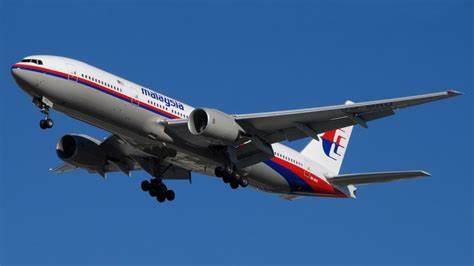
On March 8, 2014, Malaysia Airlines Flight 370, carrying
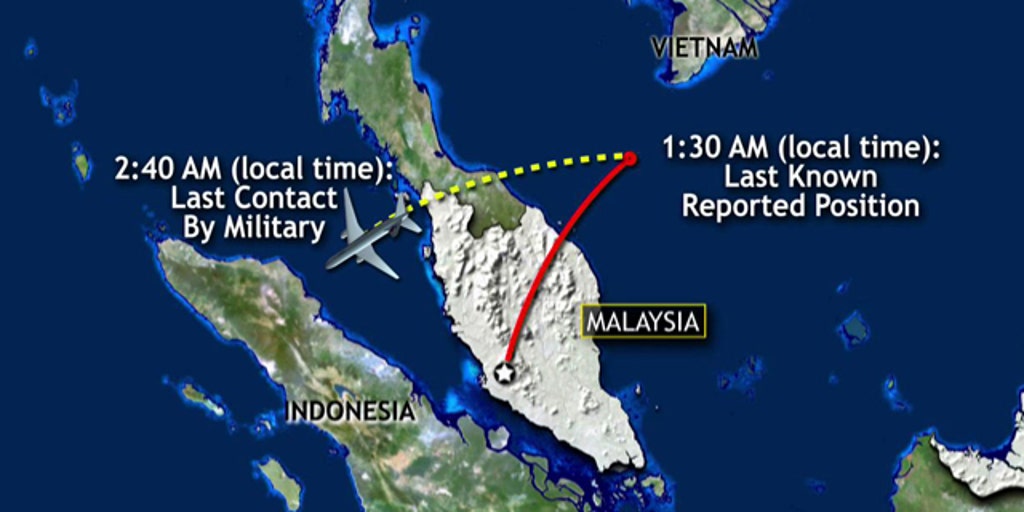
227 passengers and 12 crew members, lost contact with
air traffic control less than an hour after taking off from
Kuala Lumpur, then veers off course, disappears and
most of the plane, and everyone on board, were never
seen again.
About an hour after Flight 370 was scheduled to land in
Beijing, Malaysia Airlines announced it was missing.
Prior to the aircraft’s mysterious disappearance, it had
been flying seemingly without incident.
There were no distress signals from the plane, reports
of bad weather or technical problems.

In 2015, French police officers carried a piece of airplane
debris on the island of Réunion which later proved to
have been from Malaysia Airlines Flight 370.
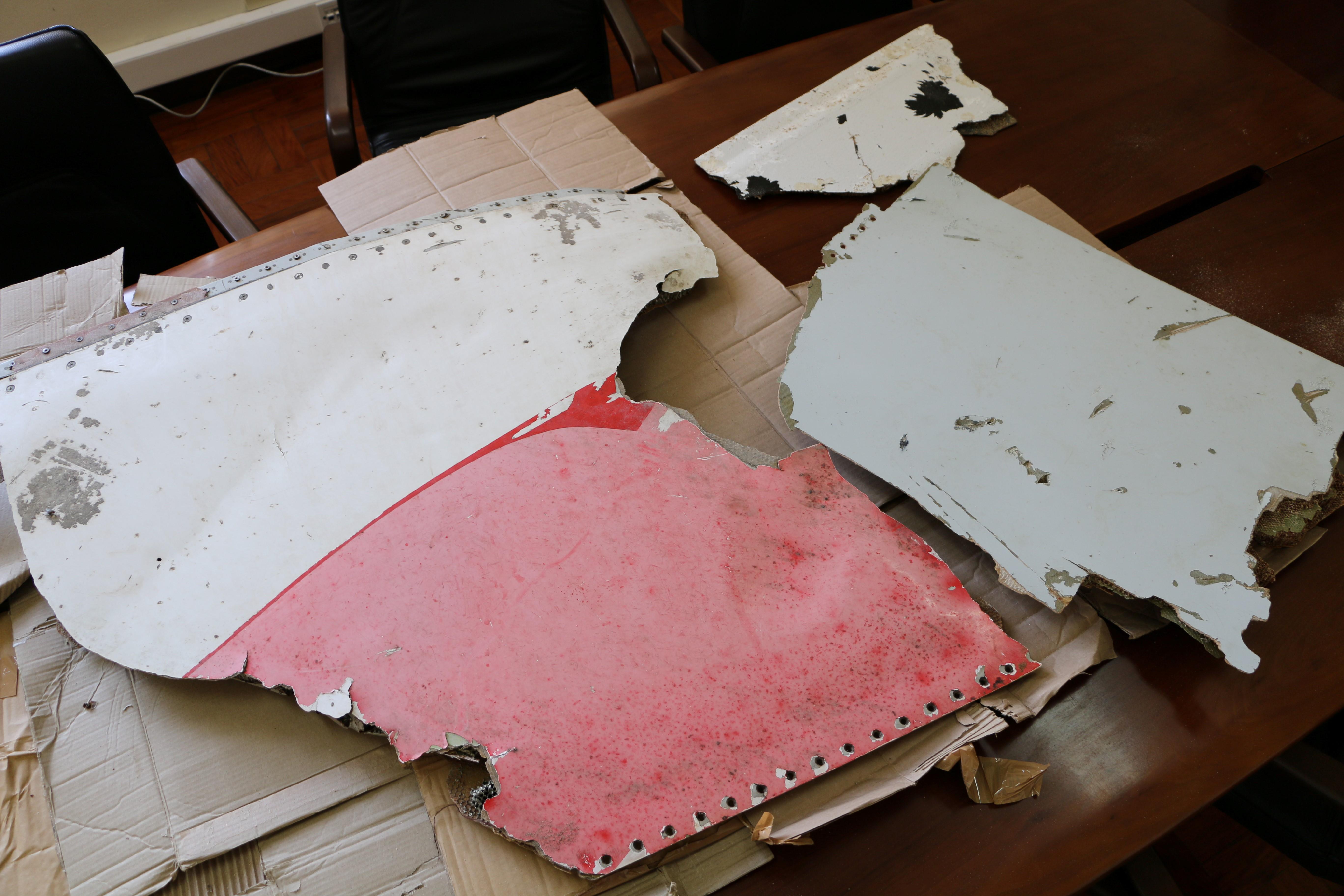
More debris from Flight 370 found.



_at_anchor_1938.jpg)