


CAMILLE BOHANNON


On August 9, 1945, a second atomic bomb is dropped on
Japan by the United States, at Nagasaki, resulting finally
in Japan’s unconditional surrender.
CAMILLE BOHANNON
On August 9, 1945, a second atomic bomb is dropped on
Japan by the United States, at Nagasaki, resulting finally
in Japan’s unconditional surrender.


SANDY KOZEL


On August 6, 1945, the United States became the first and only
nation to use atomic weaponry during wartime when it dropped
an atomic bomb on the Japanese city of Hiroshima.
Approximately 80,000 people are killed as a direct result of the
blast, and another 35,000 are injured. At least another 60,000
would be dead by the end of the year from the effects of the
fallout.
Though the dropping of the atomic bomb on Japan marked the
end of World War II, many historians argue that it also ignited
the Cold War.

ROSS SIMPSON
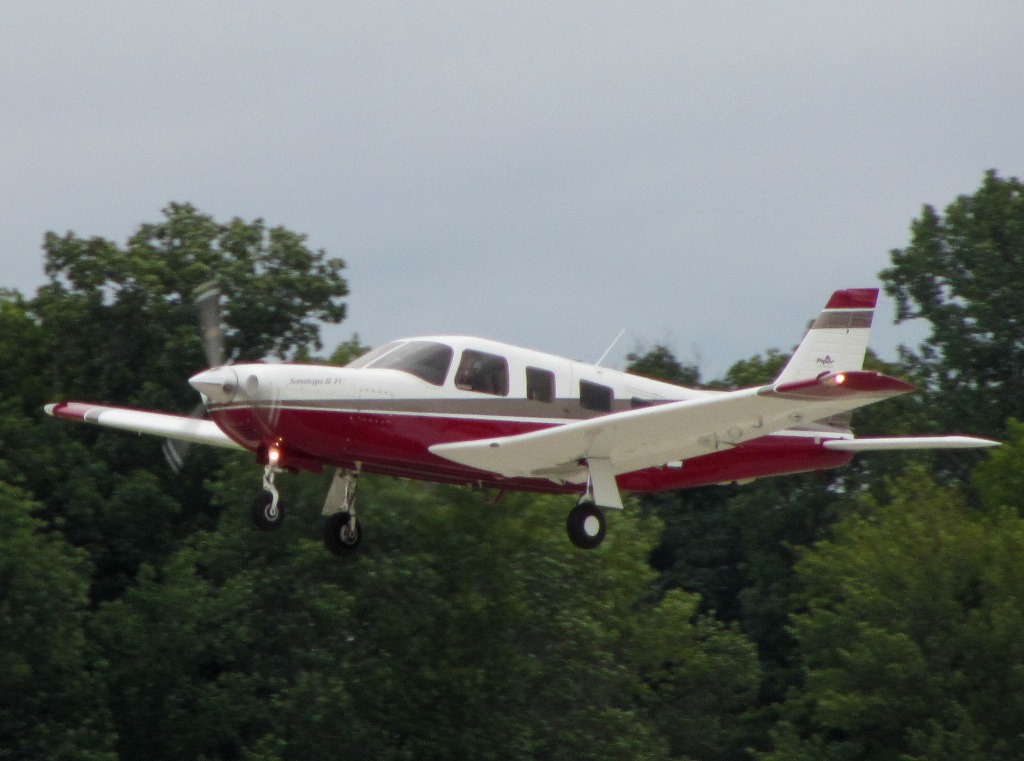
A Piper Saratoga similar to the accident aircraft.
![Thread by @1FreeInhabitant: " didn't lie! JOHN KENNEDY JR. aka JFK JR—the legal fiction—is dead. The All-Caps name died a Commercial death in 1999. Vatican propert […]" #QAnon](https://i0.wp.com/pbs.twimg.com/media/DxSkIGeVAAAyoX8.jpg?resize=500%2C625&ssl=1)

On July 16, 1999, John F. Kennedy Jr. died when the light
aircraft he was piloting crashed into the Atlantic Ocean off
Martha’s Vineyard, Massachusetts.
Kennedy’s wife, Carolyn Bessette, and sister-in-law, Lauren
Bessette, were also on board and died.
The Piper Saratoga departed New Jersey‘s Essex County
Airport; its intended route was along the coastline of
Connecticut and across Rhode Island Sound to Martha’s
Vineyard Airport.

John Fitzgerald Kennedy Jr.
(November 25, 1960 – July 16, 1999

On April 25, 1945, President Harry S. Truman learned the
full details of the Manhattan Project, in which scientists
were attempting to create the first atomic bomb.
The information thrust upon Truman a momentous decision:
whether or not to use the world’s first weapon of mass
destruction.
The first bomb was exploded over Hiroshima on August 6,
1945, and a second was dropped on Nagasaki on August 9.
The Japanese quickly surrendered. Although other nations
have developed atomic weapons and nuclear technology
since 1945, Truman remains the only world leader to have
ever used an atomic bomb against an enemy.

Harry S. Truman (May 8, 1884 – December 26, 1972)


Newly declassified photo of the Bomb.
On August 6, 1945, the United States became the first and only
nation to use atomic weaponry during wartime when a B-29
bomber, dubbed the “Enola Gay,” dropped an atomic bomb
on the Japanese city of Hiroshima. Approximately 80,000
people are killed as a direct result of the blast, and another
35,000 are injured. At least another 60,000 would be dead by
the end of the year from the effects of the fallout.
Though the dropping of the atomic bomb on Japan marked the
end of World War II, many historians argue that it also ignited
the Cold War.


