


ED DANAHUE
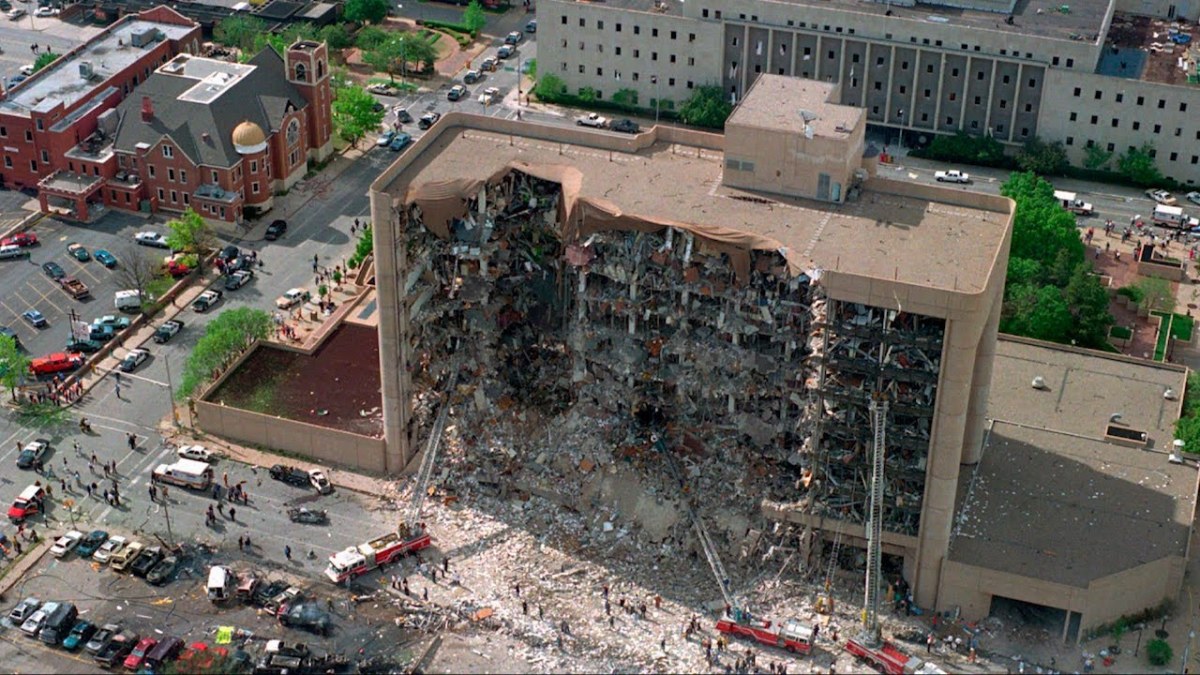
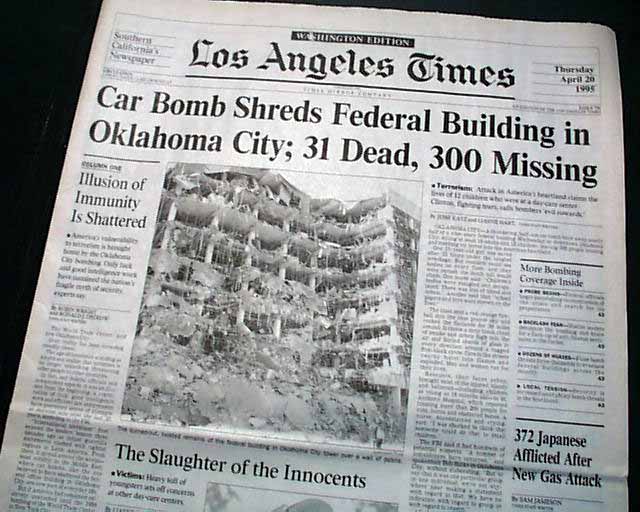

Timothy James McVeigh (April 23, 1968 – June 11, 2001)
The domestic terrorist who perpetrated the Oklahoma City bombing.

ED DANAHUE
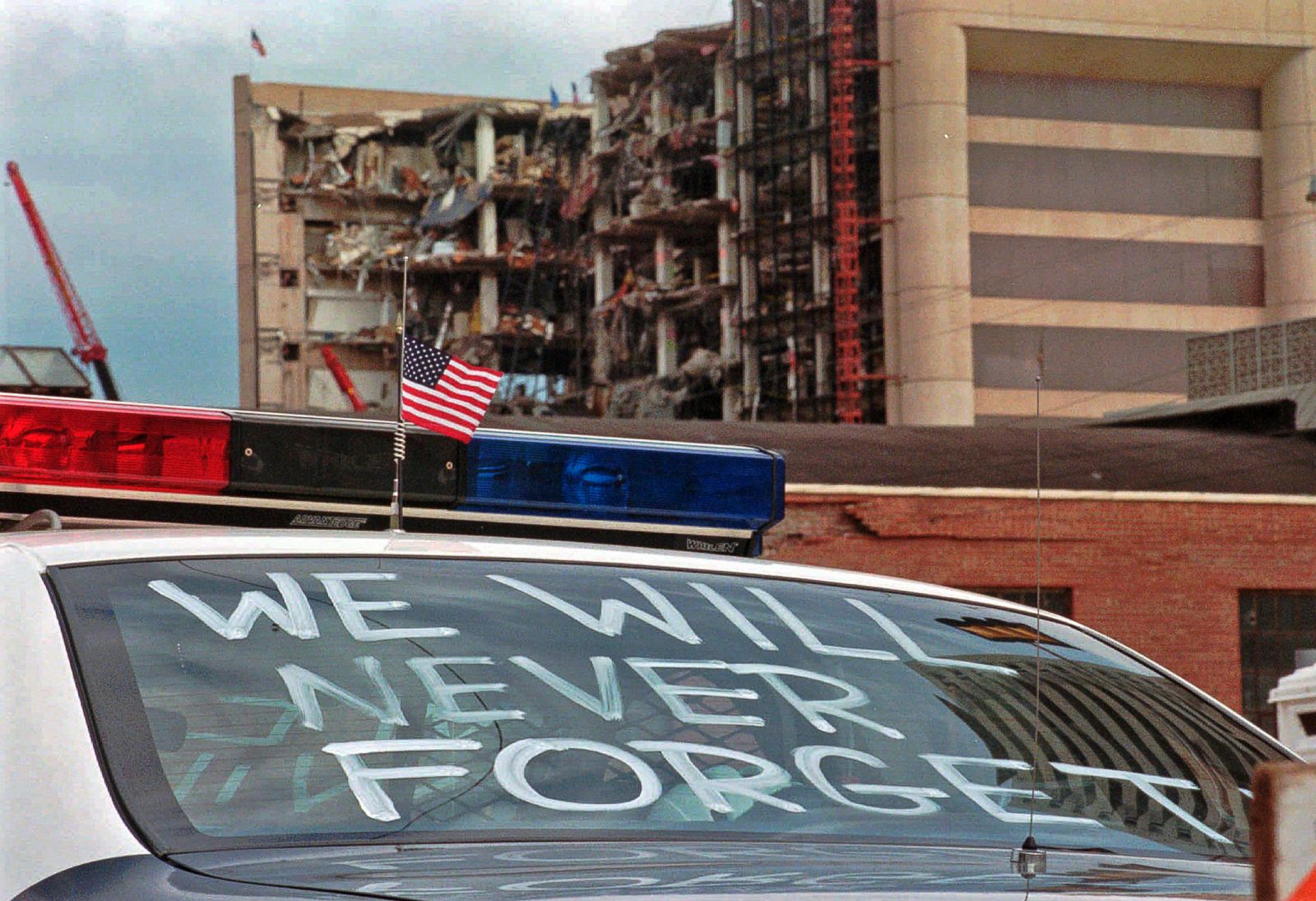
Timothy James McVeigh (April 23, 1968 – June 11, 2001)
The domestic terrorist who perpetrated the Oklahoma City bombing.
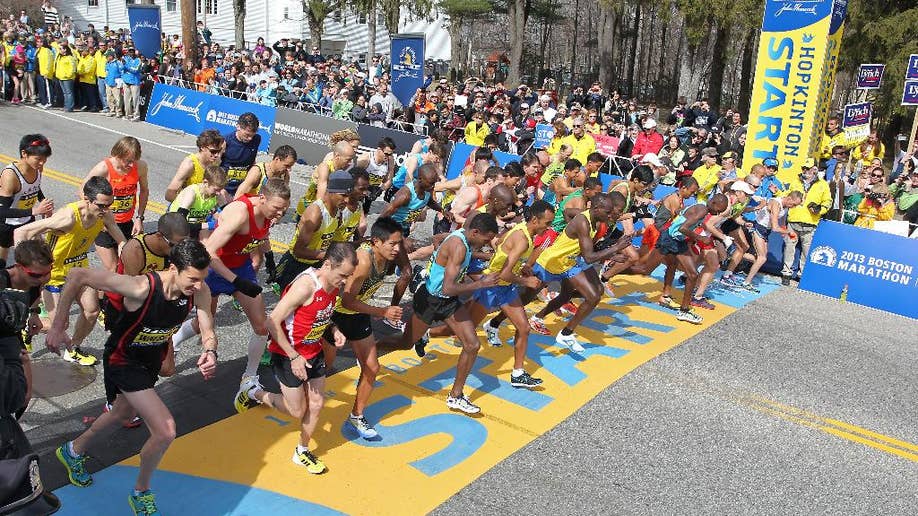


The Boston Marathon bombing, sometimes referred to as just
simply the Boston bombing, was a domestic terrorist attack
that took place during the annual Boston Marathon on April
15, 2013. Brothers Dzhokhar and Tamerlan Tsarnaev planted
two homemade pressure cooker bombs that detonated near
the finish line of the race 14 seconds and 210 yards (190 m)
apart. Three people were killed and hundreds injured, including
17 who lost limbs.


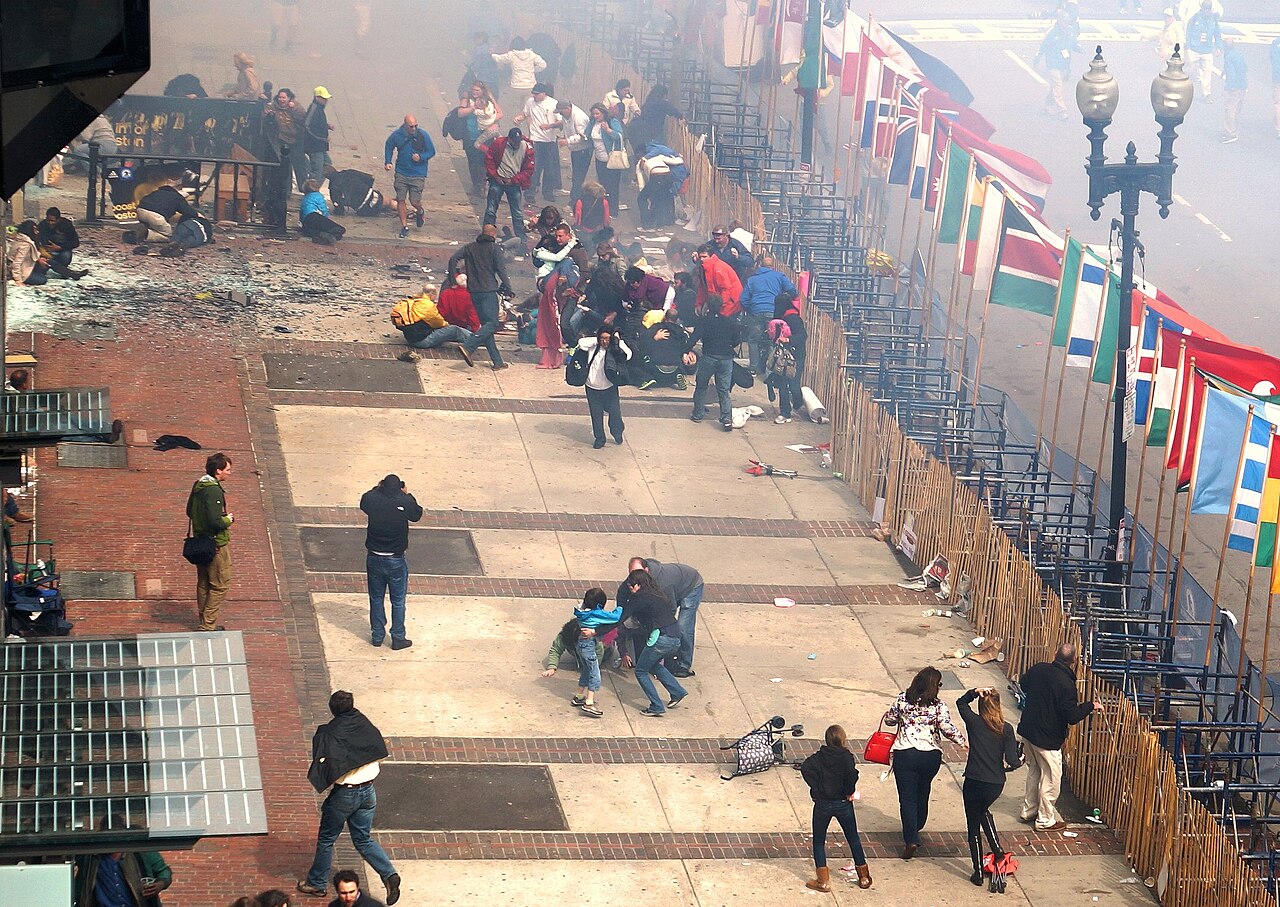
Spectators helping victims soon after the attack.

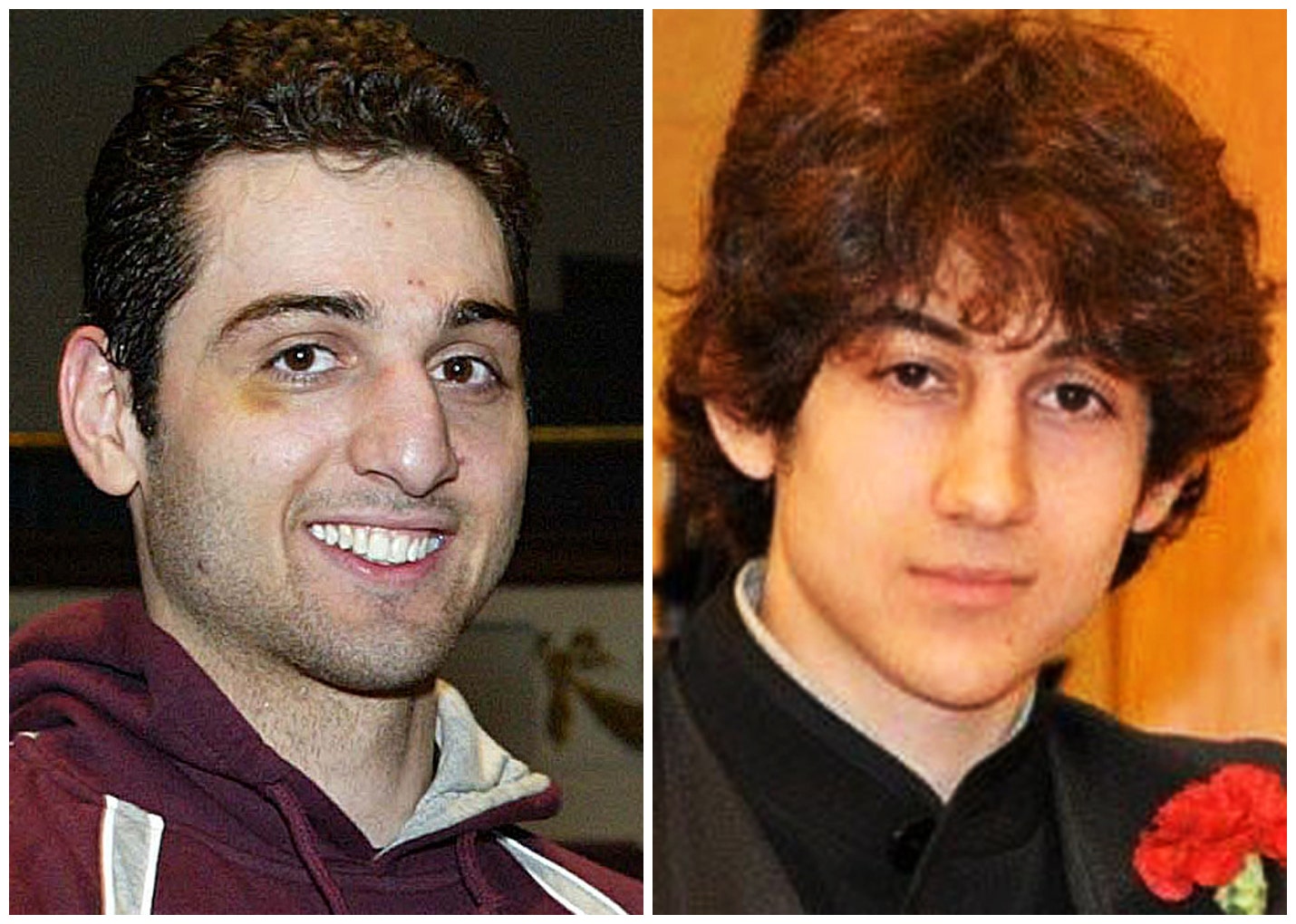
Undated file photos show Boston Marathon bombing
suspects Tamerlan Tsarnaev, left, and Dzhokhar
Tsarnaev. (AP)

ROSS SIMPSON


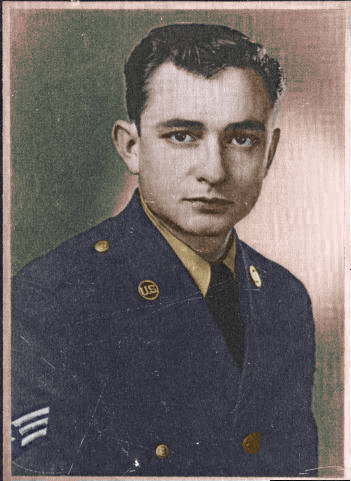
Johnny served four years in the Air Force.
Cash enlisted in the Air Force on July 7, 1950,
shortly after the start of the Korean War. After
basic training at Lackland Air Force Base and
technical training at Brooks Air Force Base,
both in San Antonio, Texas, he was assigned
to the 12th Radio Squadron Mobile of the U.S.
Air Force Security Service at Landsberg, West
Germany.

The Man in Black.
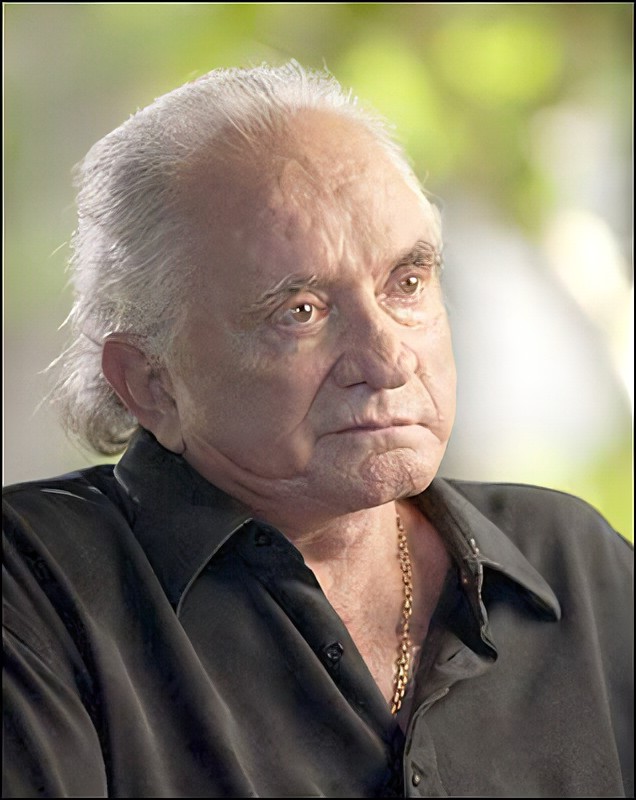
Born to poor cotton farmers in Kingsland, Arkansas,
country singer – songwriter Johnny Cash rose to
fame during the mid-1950s in the burgeoning
rockabilly scene in Memphis, Tennessee.
Cash is one of the best-selling music artists of all
time, having sold more than 90 million records
worldwide. His genre-spanning music embraced
country, rock and roll, rockabilly, blues, folk, and
gospel sounds.
His crossover appeal earned him the rare honor of
being inducted into the Country Music, Rock and
Roll, and Gospel Music Halls of Fame.



ROSS SIMPSON

SAMARRA, Iraq (AP) — On this day in 2006, Sunni extremists blew up a revered Shiite shrine, igniting the worst sectarian violence Iraq had ever seen.

Iraqis walk past the damaged al-Askari shrine following the
explosion.


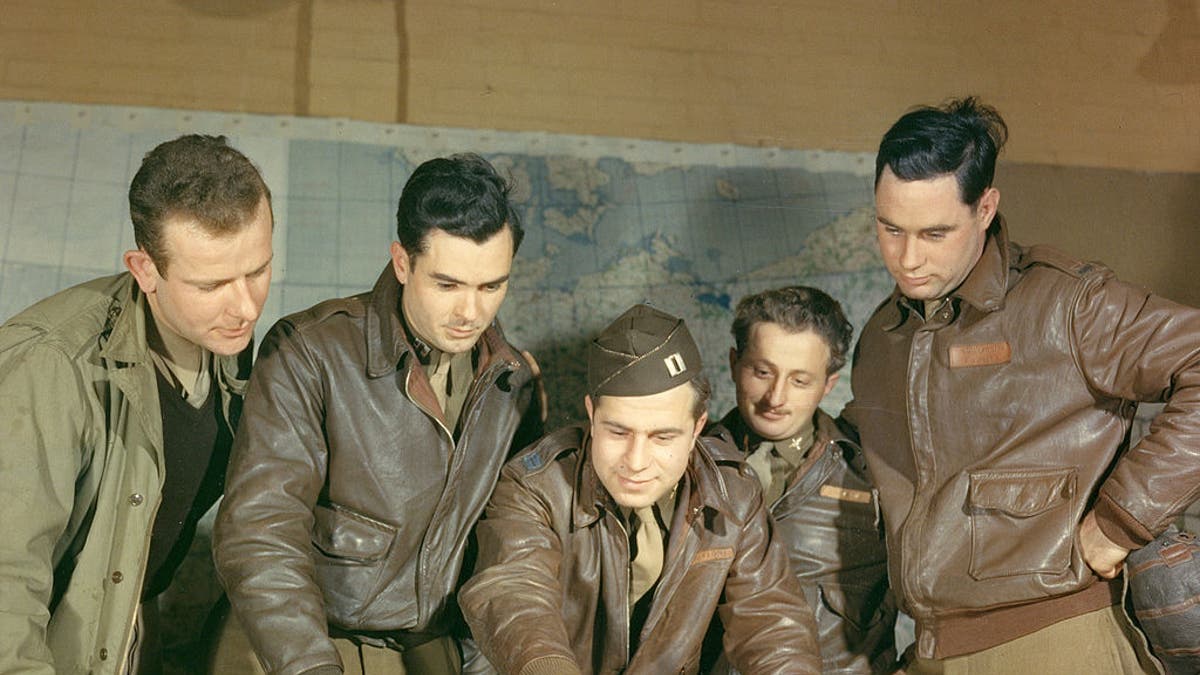
A B-17 crew from the United States Army Air Force’s Eighth
Air Force, 385th Bomb Group, plot a target on a map prior
to a mission.
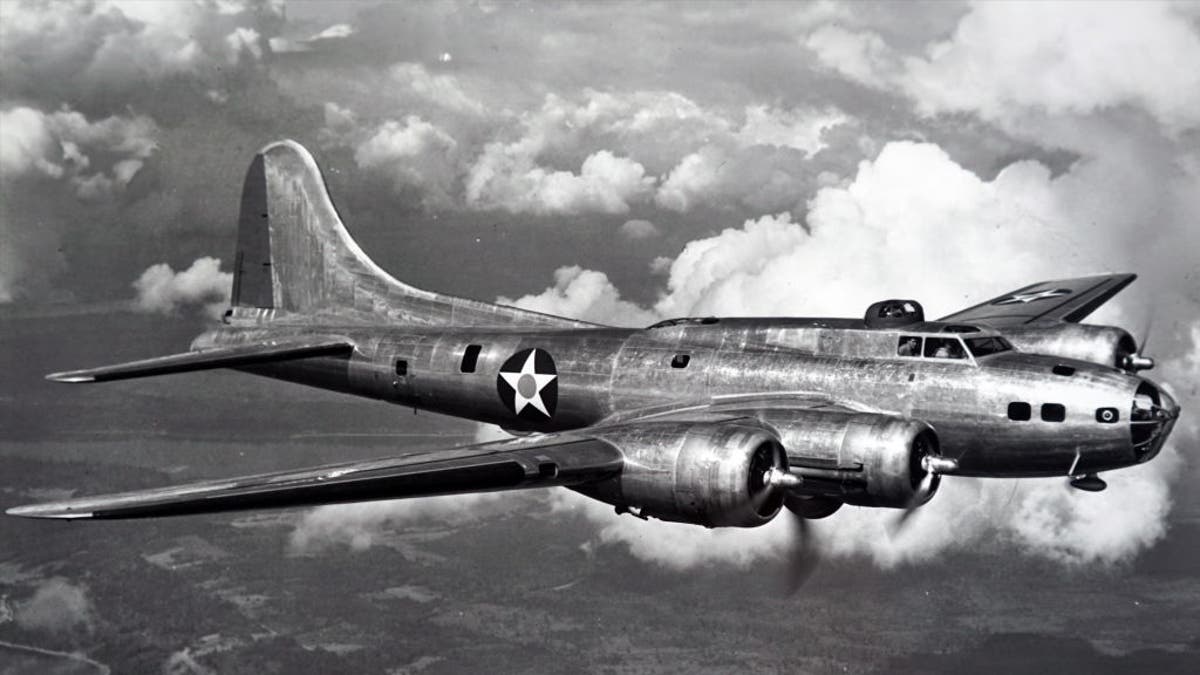
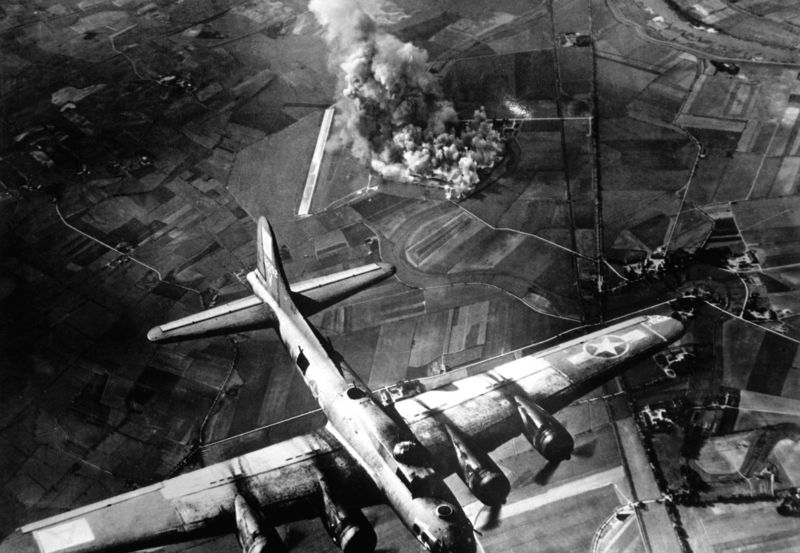
The U.S. Eighth Air Force launched its bombing campaign against
Nazi Germany, one of the largest, most important and most
devastating strategic initiatives in the annals of warfare, on this
day in history, Jan. 27, 1943.
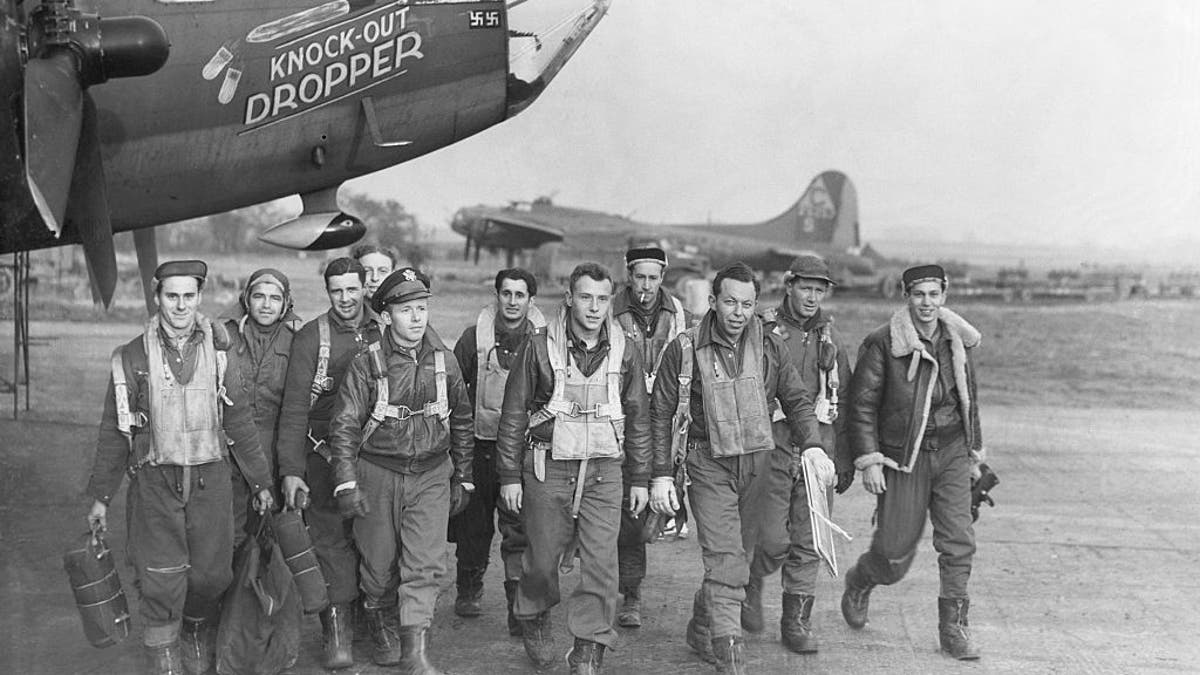
The crew of the B-17 Flying Fortress Knock-out Dropper
bomber.


