Apollo 11 astronaut Neil Armstrong becomes first man to walk on the moon.


At 11:30 a.m. on May 29, 1953, Edmund Hillary of New Zealand and Tenzing
Norgay, a Sherpa of Nepal, become the first explorers to reach the summit
of Mount Everest, which at 29,035 feet above sea level is the highest point
on earth. The two, part of a British expedition, made their final assault on
the summit after spending a fitful night at 27,900 feet. News of their
achievement broke around the world on June 2, the day of Queen Elizabeth
II’s coronation, and Britons hailed it as a good omen for their country’s
future.

On January 28, 1986, the NASA Space Shuttle orbiter undertaking mission
STS-51-L and the tenth flight of Space Shuttle Challenger broke apart 73
seconds into its flight, killing all seven crew members aboard: five NASA
astronauts, one payload specialist, and a civilian school teacher.
The spacecraft disintegrated over the Atlantic Ocean, off the coast of
Cape Canaveral, Florida, at 11:39 a.m. EST.

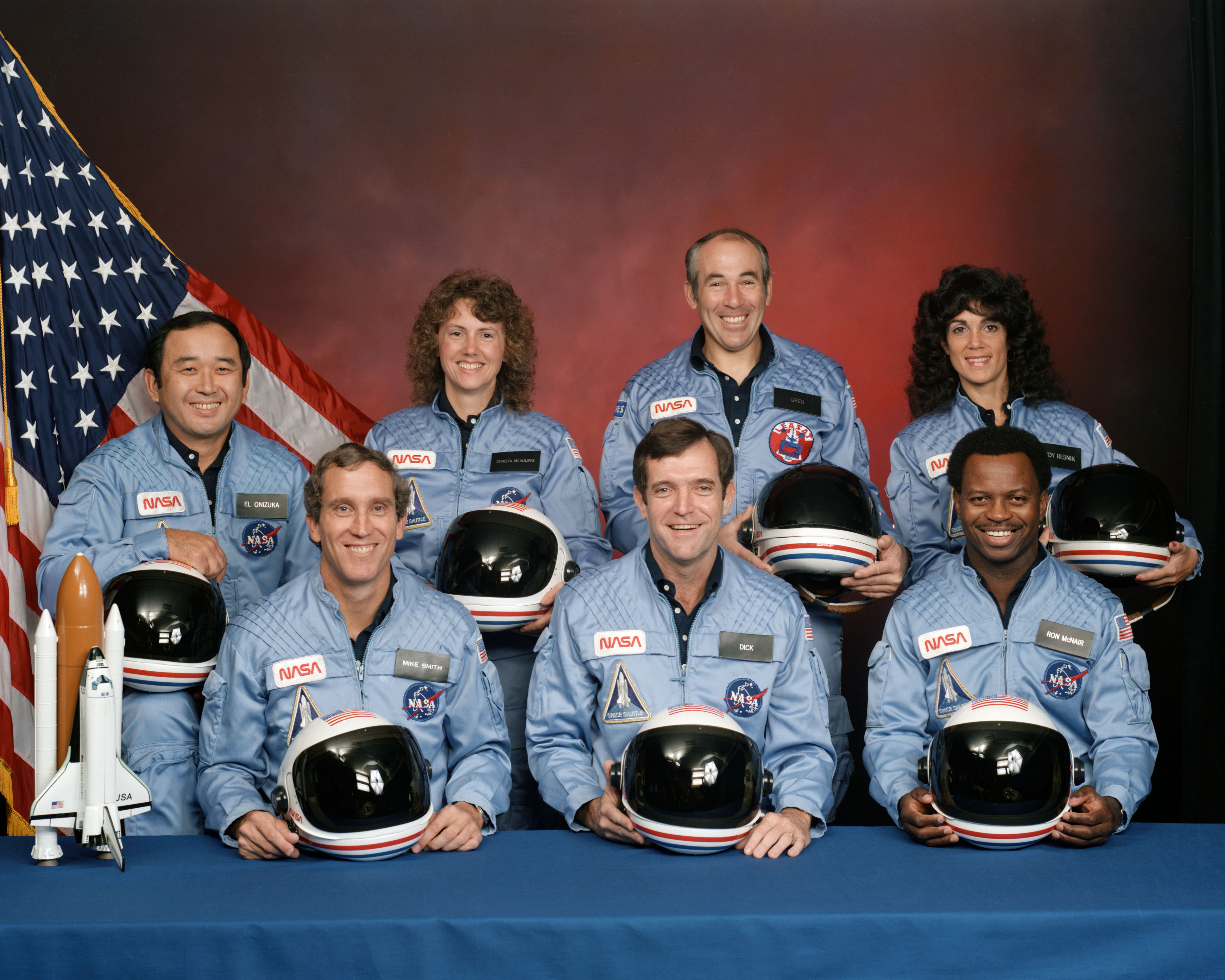
Space Shuttle Challanger crew: Back row from left to right…Ellison
S. Onizuka, Sharon Christa McAuliffe, Greg Jarvis, and Judy Resnik.
In the front row from left to right: Michael J. Smith, Dick Scobee,
and Ron McNair.
President Reagan delivers a nationwide speech following the Space Shuttle Challenger disaster.
Challenger shuttle memorial in Arlington cemetery, Washington DC.
Joseph Rudyard Kipling
(December 30, 1865 – January 18, 1936)
Kipling was an English journalist, short-story writer,
poet, and novelist. He was born in India, which inspired
much of his work. Kipling’s works of fiction include The
Jungle Book, Kim, and many short stories, including
"The Man Who Would Be King".