Most government offices and public schools will be closed
and it is a postal holiday, so there will be no mail deliveries
on President’s Day.
Archive for the 'President' Category
20
Feb
FROM THE PDX RETRO BLOG ~
posted by Bob Karm in ANNIVERSARY,Blog Greeting,CURRENT EVENTS,HOLIDAY,President and have No Comments
09
Feb
HISTORY WAS MADE ON THIS DAY IN 1942

(FOXNEWS) – The federal government enacted nationwide
Daylight Saving Time amid the darkest depths of wartime
fears on this day in history, Feb. 9, 1942.
"Passed by Congress and signed into law by President
Franklin D. Roosevelt, the year-round daylight saving time
required that clocks be moved ahead one hour for the
remainder of the war as a national defense measure to
conserve energy," notes Fishwrap, a blog of historic
newspaper headlines.
The federal action went into effect just two months after
the Japanese attack on Pearl Harbor plunged the United
States into World War II.
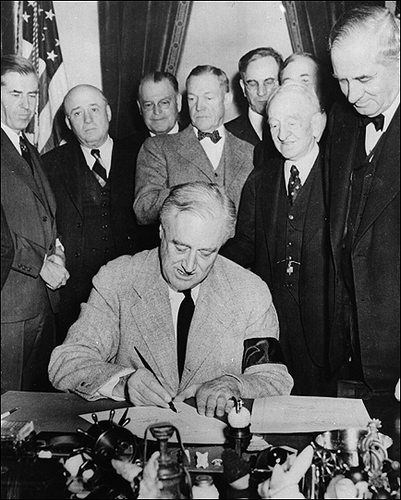
Franklin Delano Roosevelt
(January 30, 1882 – April 12, 1945)


06
Feb
PRESIDENT BORN ON THIS DAY IN 1911


America’s 40th President Ronald Wilson Reagan was born
in Tampico, Illinois, on this day in history, Feb. 6, 1911.
Prior to his presidency, he served as the 33rd governor of California from 1967 to 1975 and was the president of the
Screen Actors Guild from 1947 to 1952 and from 1959 until
1960.
posted by Bob Karm in Actors,BIRTHDAY,CURRENT EVENTS,HISTORY,MOVIES,President,RADIO,TV and have No Comments
30
Jan
HISTORY WAS MADE ON THIS DAY


MIKE GRACIA

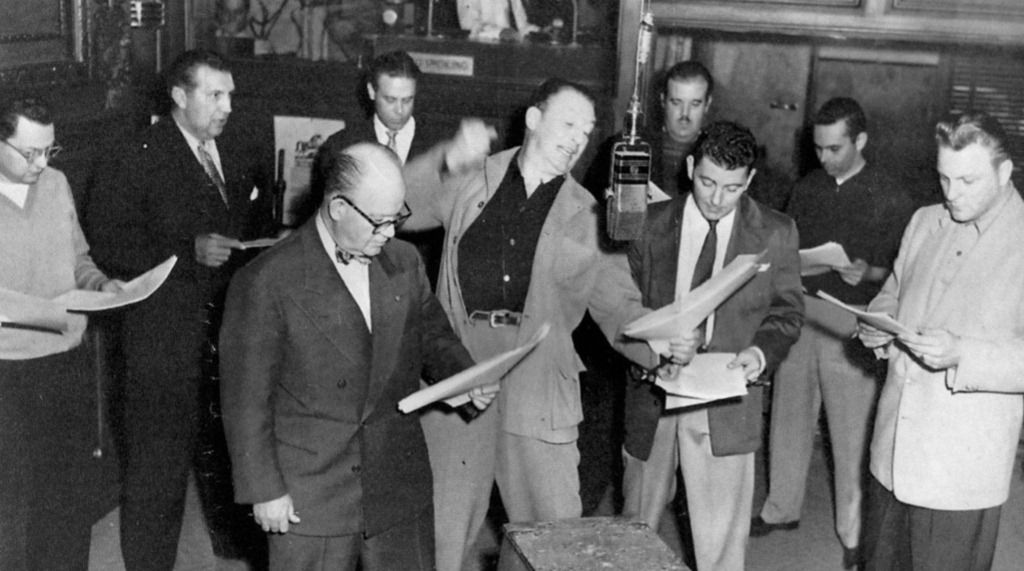
BRACE BEEMER (center) was original announcer then the second actor to portray The Lone Ranger on the radio
series.
The first of 2,956 episodes of The Lone Ranger premiered on
radio January 30, 1933 on WXYZ radio in Detroit, Michigan
and later on the Mutual Broadcasting System radio network
and then on NBC’s Blue Network (which became ABC, which
broadcast the show’s last new episode on September 3, 1954).
posted by Bob Karm in BIRTHDAY,Broadcasting,DEBUT,HISTORY,Nazi Germany,President,RADIO,Riot,WAR and have No Comments
25
Jan
THE FIRST TELEVISED PRESS CONFERENCE
President John F. Kennedy introduced a new era of White
House communications when he hosted the first live
televised presidential press conference on this day in
history, Jan. 25, 1961.

.jpg)

posted by Bob Karm in ANNIVERSARY,DEBUT,HISTORY,News Conference,POLITICAL,President,TV,White House and have No Comments
Recent Comments
- Sam commented on THE FIRST WALKMAN WENT ON SALE IN 1979
(26 weeks ago) - Rob commented on THE BATTLE “ON THE SHORES OF TRIPOLI”
(46 weeks ago) - R.B. Chisholm commented on ‘’FATHER OF THE CONSTITUTION WAS BORN
(50 weeks ago) - Donna Springer commented on SOUL SINGER HAS DIED AT AGE 85
(53 weeks ago) - Lena commented on SOUL SINGER HAS DIED AT AGE 85
(53 weeks ago)
Links


