

CAMMILE
BOHANNON


CAMMILE
BOHANNON
During World War II, the U.S. 10th Army overcomes the last
major pockets of Japanese resistance on Okinawa Island,
ending one of the bloodiest battles of World War II.
The same day, Japanese Lieutenant General Mitsuru Ushijima,
the commander of Okinawa’s defense, committed suicide with
a number of Japanese officers and troops rather than surrender.


June 18, 1812: The day after the Senate followed the House of Representatives in voting to declare war against Great Britain,
President James Madison signed the declaration into law—
and the War of 1812 began. The American war declaration,
opposed by a sizable minority in Congress, had been called
in response to the British economic blockade of France, the
induction of American seaman into the British Royal Navy
against their will, and the British support of Indian tribes along
the Great Lakes frontier. A faction of Congress known as the
“War Hawks” had been advocating war with Britain for several
years and had not hidden their hopes that a U.S. invasion of
Canada might result in significant territorial land gains for the
United States.

James Madison Jr. (March 16, 1751 – June 28, 1836)

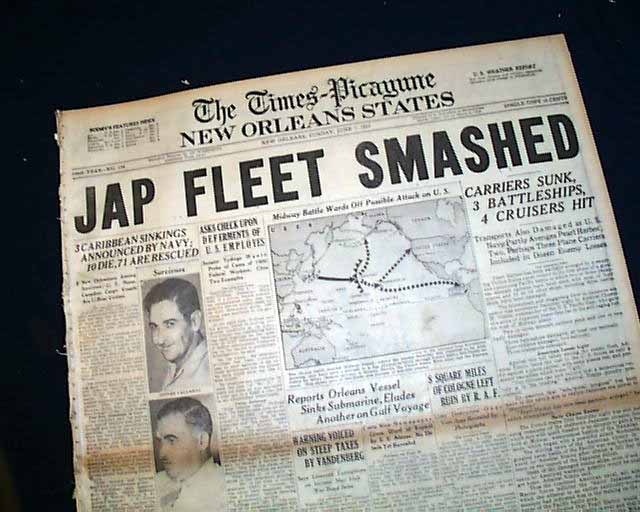
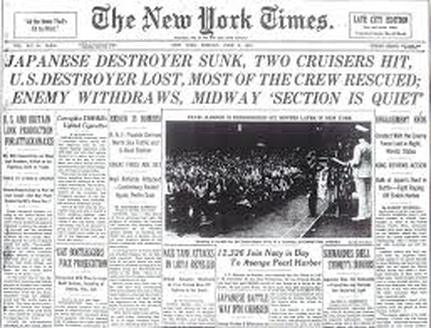
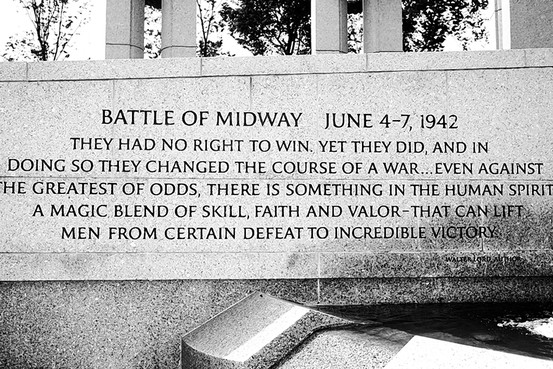
On June 7, 1942, the Battle of Midway—one of the most decisive
U.S. victories in its war against Japan—came to an end. In the
four-day sea and air battle, the outnumbered U.S. Pacific Fleet
succeeded in destroying four Japanese aircraft carriers with the
loss of only one of its own, the Yorktown, thus reversing the tide
against the previously invincible Japanese navy.
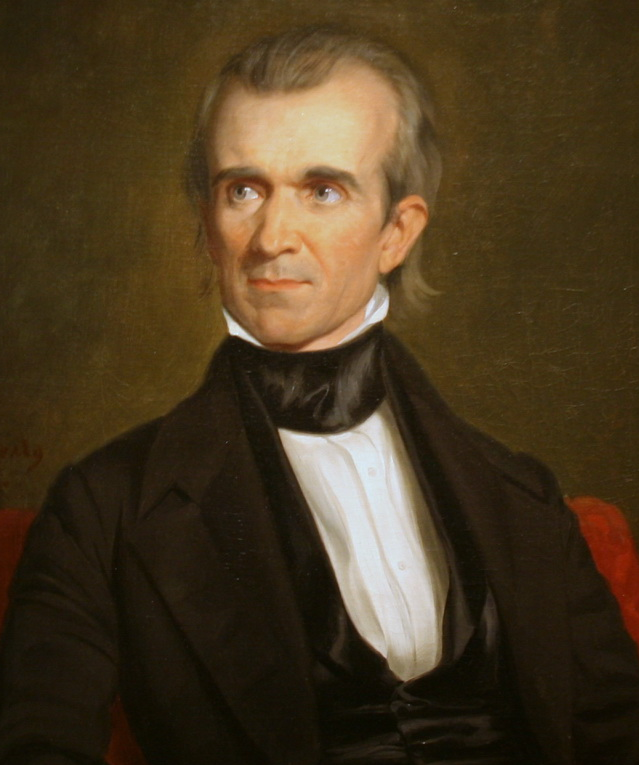
James Knox Polk (November 2, 1795 – June 15, 1849) Polk
was the 11th president of the United States, serving from
1845 to 1849.
On May 13, 1846, the U.S. Congress overwhelmingly voted in favor
of President James K. Polk’s request to declare war on Mexico in
a dispute over Texas.
Under the threat of war, the United States had refrained from
annexing Texas after the latter won independence from Mexico
in 1836. But in 1844, President John Tyler restarted negotiations
with the Republic of Texas, culminating with a Annexation Treaty.
The treaty was defeated by a wide margin in the Senate because it
would upset the slave state/free state balance between North and
South and risked war with Mexico, which had broken off relations
with the United States. But shortly before leaving office and with
the support of President-elect Polk, Tyler managed to get the joint resolution passed on March 1, 1845. Texas was admitted to the
Union on December 29.
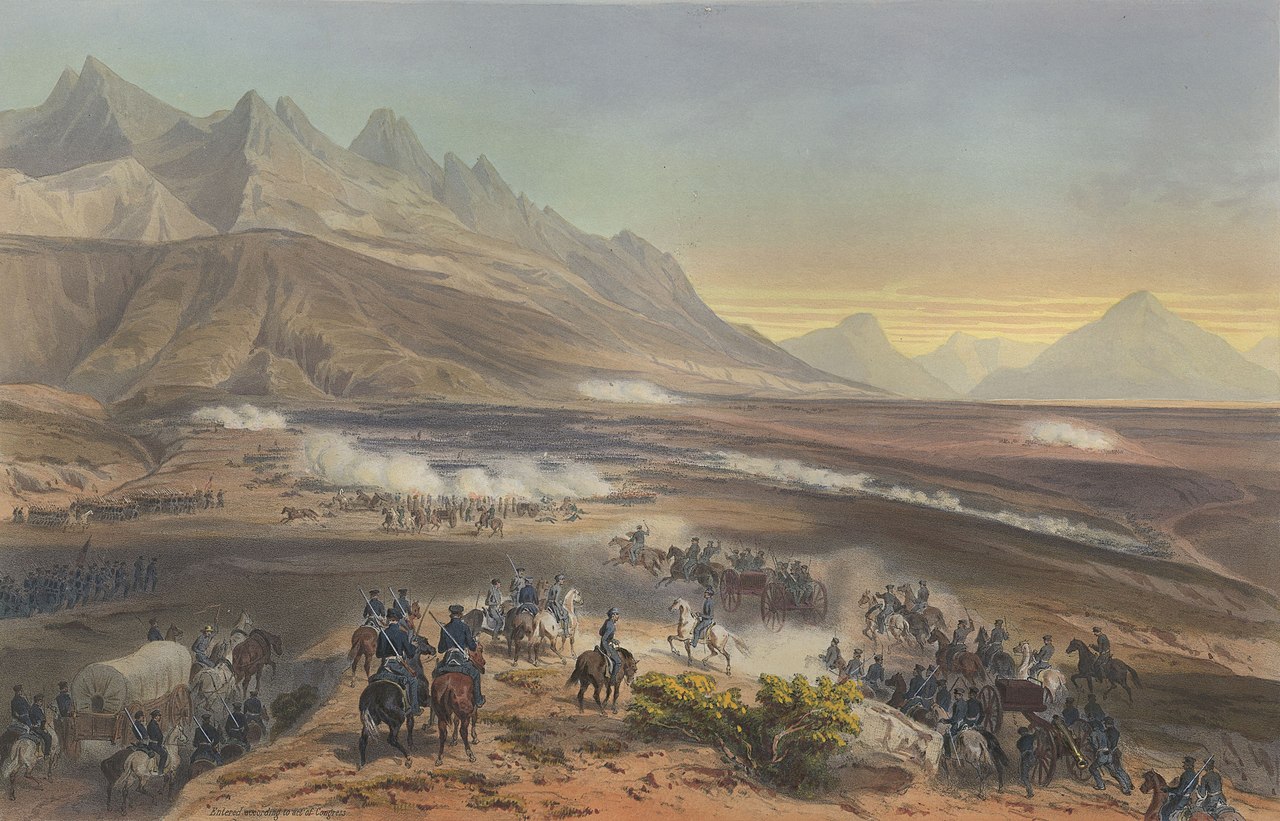

(February 22–23, 1847)


