THE SOUND BERRIER BROKEN ON THIS DAY

 See the source image     
U.S. Air Force Captain
Chuck Yeager
became the first person
to fly faster than the speed of sound.


Yeager, born in Myra, West Virginia, in 1923, was a combat fighter
during
World War II and flew 64 missions over Europe. He shot
down 13 German planes and was himself shot down over France,
but he escaped capture with the assistance of the French
Underground.

After the war, he was among several volunteers chosen to test-fly
the experimental X-1 rocket plane, built by the Bell Aircraft
Company to explore the possibility of supersonic flight.

On October 14, 1947, Yeager flew the X-1 over Rogers Dry Lake in Southern California. The craft was lifted to an altitude of 25,000
feet by a B-29 aircraft and then released through the bomb bay,
rocketing to 40,000 feet and exceeding 662 miles per hour
(the sound barrier at that altitude).

Because of the secrecy of the project, Yeager’s achievement was not announced until June 1948. Yeager continued to serve as a test pilot,
and in 1953 he flew 1,650 miles per hour in an X-1A rocket plane.

He retired from the U.S. Air Force in 1975 with the rank of brigadier.


See the source image
    
        
 See the source image
Brigadier General Charles Elwood Yeager
(February 13, 1923 – December 7, 2020)


posted by Bob Karm in Air Force,AIRCRAFT,ANNIVERSARY,Aviation,Aviation record,Aviator,HISTORY,Speed of sound and have No Comments

WHITE HOUSE CORNERSTONE LAID IN 1792

See the source image

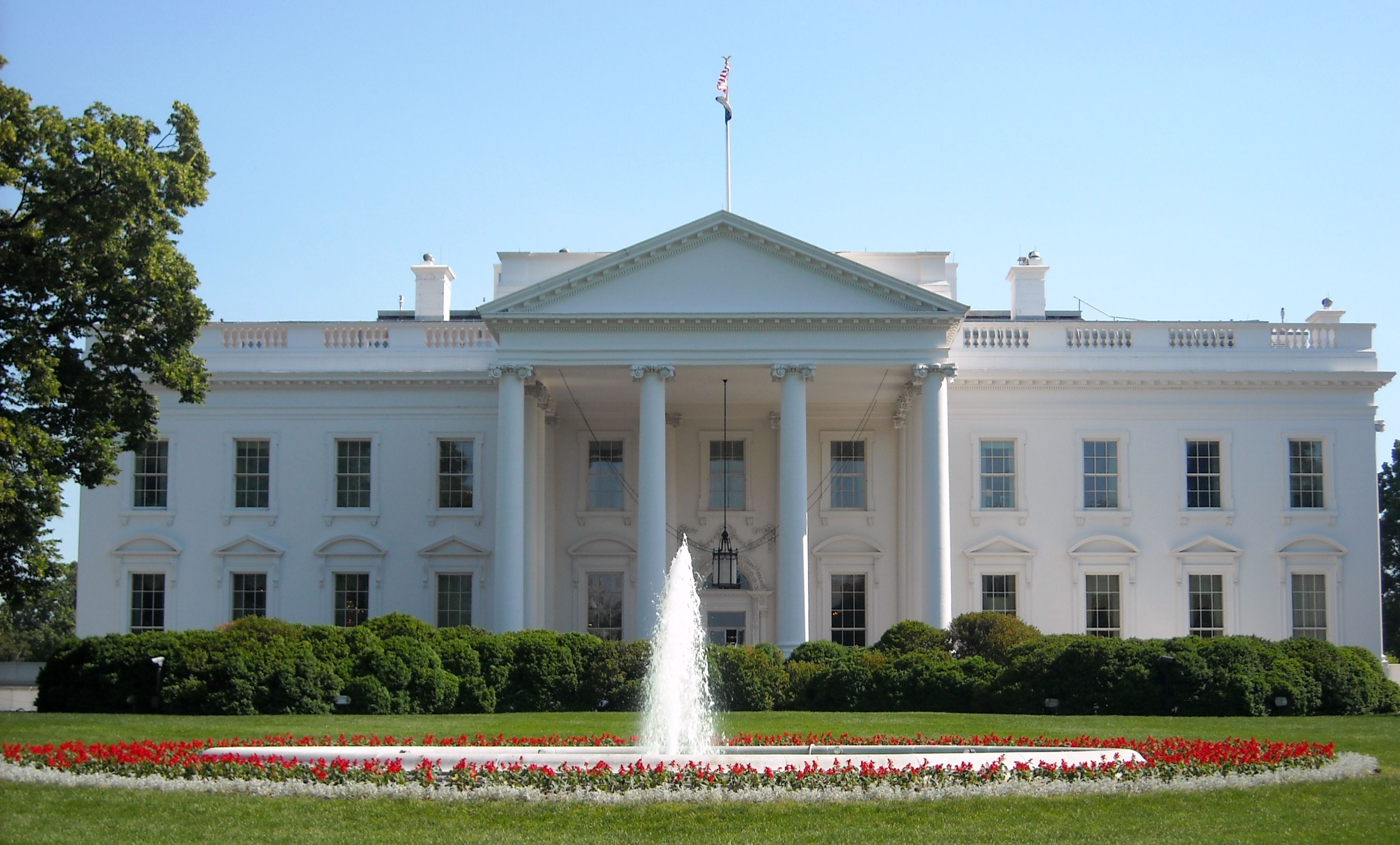
The cornerstone was laid for a presidential residence in the
newly designated capital city of
Washington, D.C. In 1800,
President
John Adams became the first president to reside
in the executive mansion, which soon became known as the
“White House” because its white-gray
Virginia freestone
contrasted strikingly with the red brick of nearby buildings.

See the source image

The White House. Designed by James Hoban (1758-1831), in neoclassical style, its construction took place between 1792 and 1800. It has been the residence of every U.S. president since John Adams in 1800. Engraving by Arnout. Panorama Universal. History of the United States of America, from 1st edition of Jean B.G. Roux de Rochelle's Etats-Unis d'Amerique in 1837. Spanish edition, printed in Barcelona, 1850.

See the source image
John Adams (October 30, 1735 – July 4, 1826)

posted by Bob Karm in ANNIVERSARY,Cornerstone,HISTORY,President,White House and have No Comments

HISTORY WAS MADE ON THIS DAY

todayinhistory

Tim maguire
TIM MAGUIRE

See the source image

See the source image

See the source image

See the source image

posted by Bob Karm in AIRCRAFT,ANNIVERSARY,Aviation disaster,Aviator,BIRTHDAY,Bombing,Disaster at sea,Exploring,HISTORY,Opera,U.N. and have No Comments

THE ‘BIG BLOW’ HIT 60 YEARS AGO TODAY

See the source image


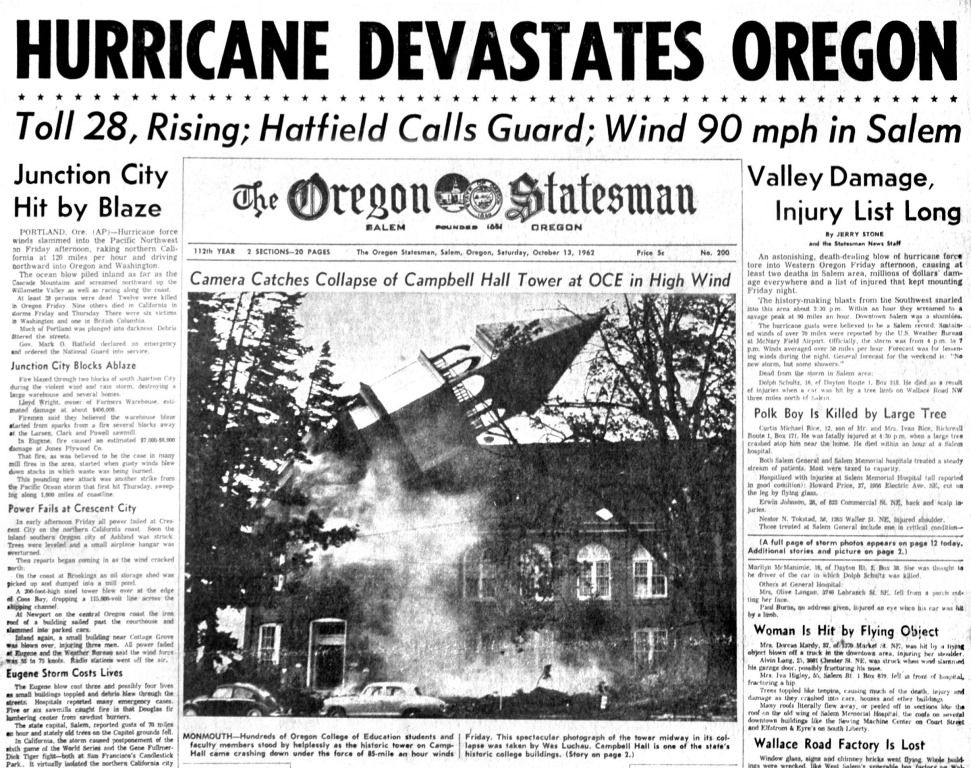
On the morning of Friday, October 12, 1962—Columbus Day—a
massive storm hit the coast of northern California. The storm had originated several days earlier in the Pacific Ocean, about five
hundred miles north of Wake Island. 

Re-energized by a combination of unusual meteorological
conditions, the storm moved north with the gathering force
of a Category 3 hurricane. Originally named Typhoon Freda by meteorologists and called the Big Blow by many, it may have
been the most powerful extratropical cyclone ever to hit the
western United States.

Oregon experienced the full brunt of the typhoon and suffered
more damage than any other state. In addition to substantial
damage to thousands of buildings— residential, commercial,
and civic—and to miles of power lines, the severe winds
toppled countless trees in western Oregon’s forests.

The storm outranks all other natural disasters in the state in
terms of destruction and cost, including the 1903
Heppner
Flood
. 

The intense winds left over a million people in Oregon without
electrical power, some of them for weeks.

The Oregon Encyclopedia Logo

Damage in Junction City.

See the source image

Jim Johnston of Portland stands next to storm damage of his home.

posted by Bob Karm in ANNIVERSARY,DEATH,Disaster,Historical Society,HISTORY,NEWSPAPER,PORTLAND'S PAST,Storm and have No Comments

HUGE FOREST FIRE BURNED ON THIS DAY

See the source image

A massive forest fire rages through Minnesota on October 12,
1918, killing hundreds of people, leaving thousands homeless
and burned at least 1,500 square miles.

The fire, known as the Cloquet-Moose Lake fire because that is
where the damage was worst, began at rail lines near Sturgeon
Lake. This region of Minnesota, southwest of Duluth in the
eastern part of the state, was ripe for a major disaster of this
sort. The area’s timber industry used crude slash methods in
the thick forests, leaving behind dry scraps that were perfect
kindling for wildfires. They also tended to leave these scraps
lying around the rail lines that carried wood from the lumber
mills. Since train engines of the time often gave off sparks,
fires were nearly inevitable.

Making matters even worse, the months leading up to October
1918 were very hot and dry. When the fire began, it spread
quickly due to high winds.

See the source image

See the source image

See the source image

See the source image

posted by Bob Karm in ANNIVERSARY,DEATH,Fire,HISTORY and have No Comments