


MIKE GRACIA


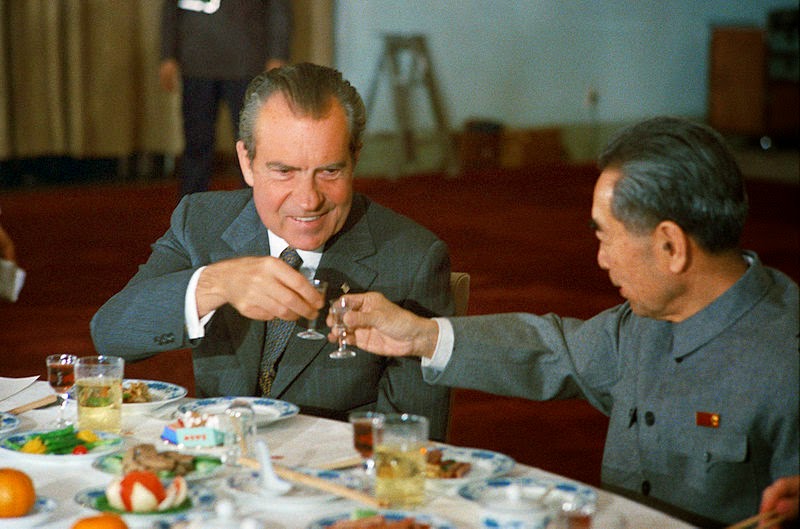
President Nixon shakes hands with Premier Chou En-lai of
the People’s Republic of China. Nixon’s trip to China was
to seek a “normalization of relations.”
MIKE GRACIA
President Nixon shakes hands with Premier Chou En-lai of
the People’s Republic of China. Nixon’s trip to China was
to seek a “normalization of relations.”

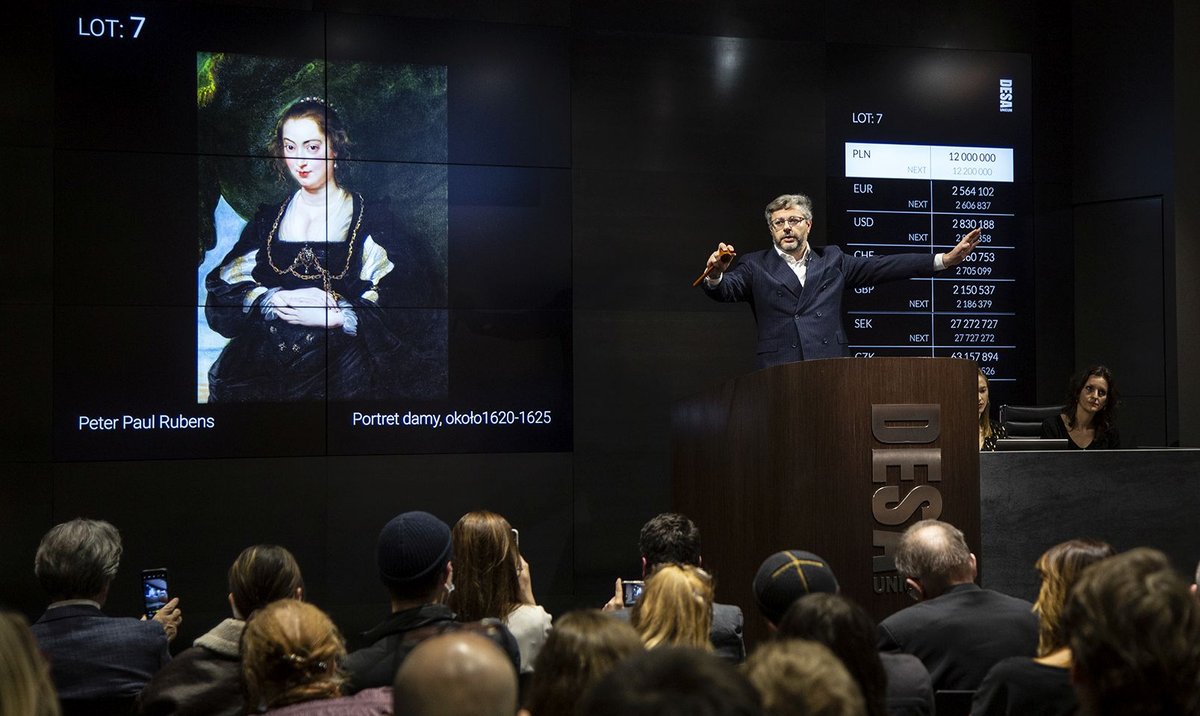
AP – A 17th-century masterpiece by Peter Paul Rubens,
Portrait of a Lady, at the DESA Unicum auction house
in Warsaw, Poland, sold for $3.4 Million on Thursday,
February 17,

Sir Peter Paul Rubens
(28 June 1577 – 30 May 1640)
Rubens was the most versatile and
influential Baroque artist of northern
Europe in the seventeenth century.


ROSS SIMPSON

George Washington (February 22, 1732 – December 14, 1799)
Washington was soldier, statesman, and Founding Father who
served as the first president of the United States from 1789 to
1797. Appointed by the Continental Congress as commander of
the Continental Army, George Washington led the Patriot forces
to victory in the American Revolutionary War.


Walter Botts (1900-72) posing as Uncle Sam in front of the
iconic poster, ca. 1970.
Artist James Montgomery Flagg referred to his own mirror image
for the portrait of “Uncle Sam” he created for the cover of the July
6, 1916 issue of Leslie’s Weekly. The figure in the long-tailed coat,
stove pipe hat and sideburns was captioned “What Are You Doing
for Preparedness?”
When asked to update the highly effective image for use in World
War 2, Flagg hired a Hoosier-born veteran who’d posed for Norman Rockwell. According to his widow’s memoir, Walter Botts was
chosen over other models for Flagg’s Army poster “because he
had the longest arms, the longest nose, and the bushiest
eyebrows.”
Botts reportedly suggested the pointing gesture when the artist
asked “Walt, what are you going to do with your long arms,
sitting there?”

James Montgomery Flagg
(June 18, 1877 – May 27, 1960)


