On this day in 1968, U.S.troops in Vietnam destroyed a village consisting mostly of women and children. The event is known as the My-Lai massacre.
Over 500 babies, children, women and men were slaughtered by American soldiers. Many Vietnamese women and girls had been raped. Huts were burned, livestock was killed, food supplies destroyed.
Twenty-six soldiers were charged with criminal offenses, but only one Lieutenant William Calley Jr., a platoon leader in C Company, was convicted. Found guilty of killing 22 villagers, he was originally given a life sentence, but served only three and a half years under house arrest.
William Laws Calley Jr. will be 76 on June 8.
This U.S. Army photo shows the aftermath of the Mỹ Lai Massacre with mostly women and children lying dead on a road.
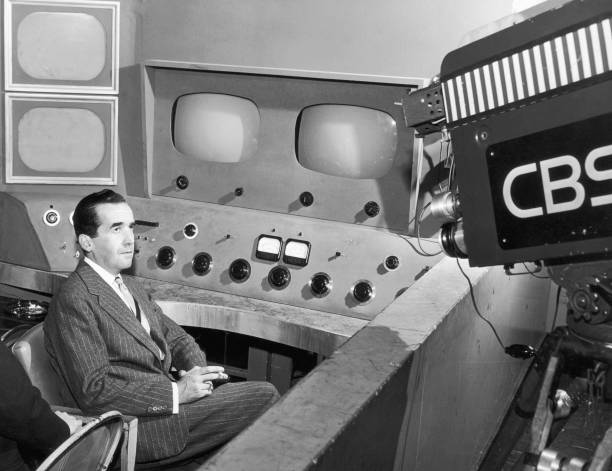
On his nationwide CBS-TV program, "See It Now," Edward R. Murrow, on this day in 1954, used the Wisconsin Republican’s own filmed and tape-recorded voice to portray him as a man employing the half-truth as a "staple" and "repeatedly stepping over the line between investigating and persecuting.
Lawyer Joseph Welch at the Army-McCarthy hearings.
On this day in 1770, a deadly riot called "The Boston Massacre" took place on King Street in Boston. It began as a street brawl between American colonists and a lone British soldier, but quickly escalated to a chaotic, bloody slaughter killing five people. Two British troops were later convicted of manslaughter. The conflict energized anti- Britain sentiment and paved the way for the American Revolution.
Boston Massacre Site Memorial, on the Freedom Trail behind the Old State House.
On this day in 1963, country music performers Patsy Cline, Cowboy Copas and Hawkshaw Hawkins died in the crash of their plane, a Piper Comanche, near Camden, Tennessee, along with pilot Randy Hughes (Cline’s manager). The investigation determined that Hughes, a non-instrument-rated pilot, attempted visual flight in adverse weather conditions, resulting in disorientation and subsequent loss of control.
A Piper Comanche PA-24-180, similar to the one that crashed.
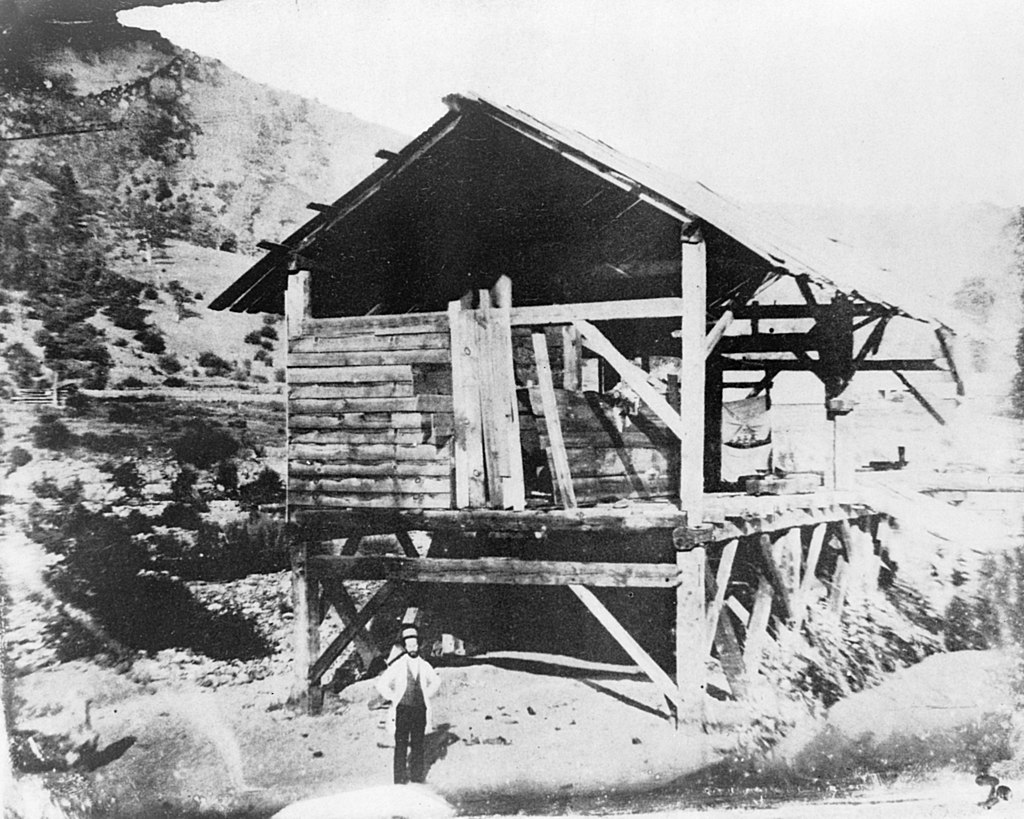
On this day in 1848, James Wilson Marshall (October 8, 1810 – August 10, 1885) found a gold nugget at Sutter’s Mill in northern California. The discovery led to the gold rush of ’49’.
The spot where Marshall first discovered the gold that started the California Gold Rush.
John Sutter’s sawmill in 1850. The historians at Marshall Gold State Historic Park concluded the person seen in the above photo was the photographer’s assistant who was used to show scale.