SANDY KOZEL
John F. Kennedy and Nikita Khrushchev
![]()
The Cuban Missile Crisis began on October 14, 1962, bringing
the United States and the Soviet Union to the brink of nuclear
conflict.
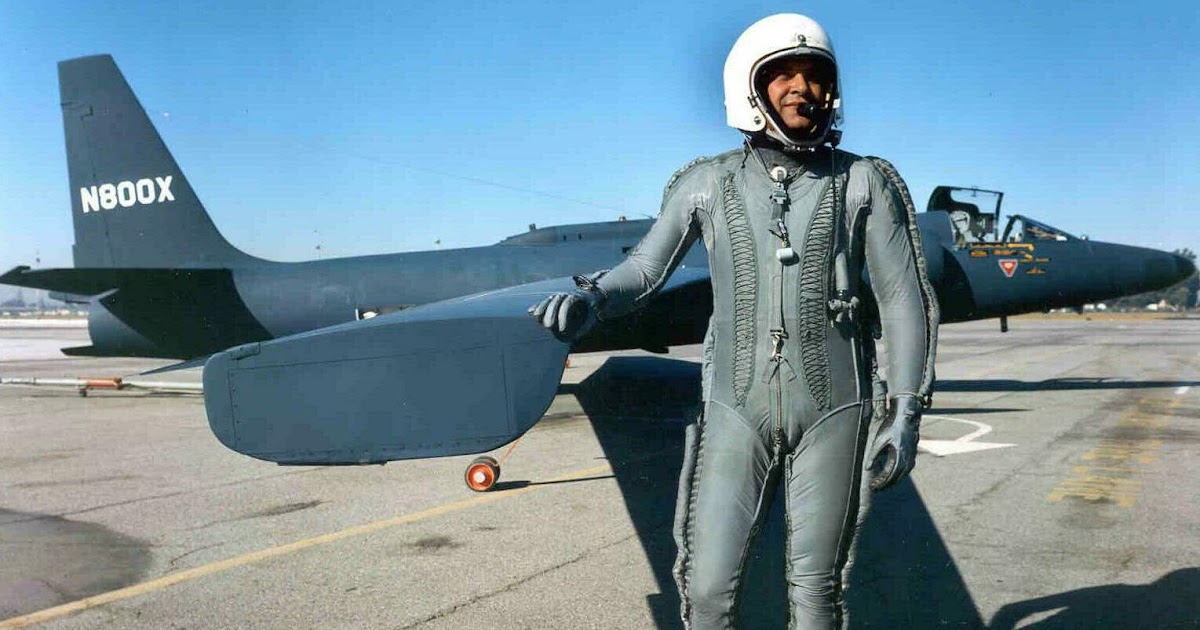
Photographs taken by a high-altitude U-2 spy plane offered incontrovertible evidence that Soviet-made medium-range
missiles in Cuba—capable of carrying nuclear warheads—
were now stationed 90 miles off the American coastline.


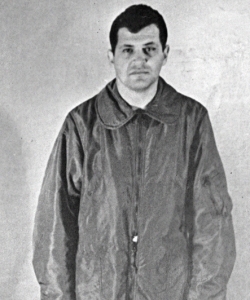
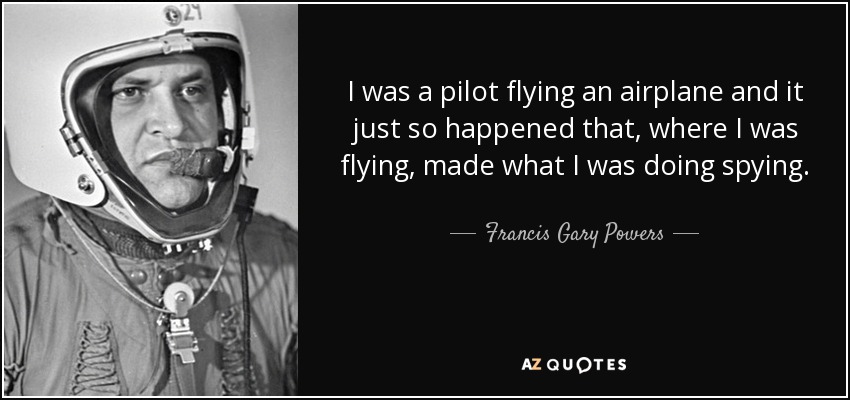
On May 1, 1960, a U-2 flight piloted by Francis Gary Powers
disappeared while on a flight over Russia.
The U.S. government issued a cover statement indicating that
a weather plane had veered off course and supposedly crashed somewhere in the Soviet Union.
With no small degree of pleasure, Khrushchev pulled off one
of the most dramatic moments of the Cold War by producing
not only the mostly-intact wreckage of the U-2, but also the
captured pilot-very much alive.
A chagrined Eisenhower had to publicly admit that it was
indeed a U.S. spy plane.
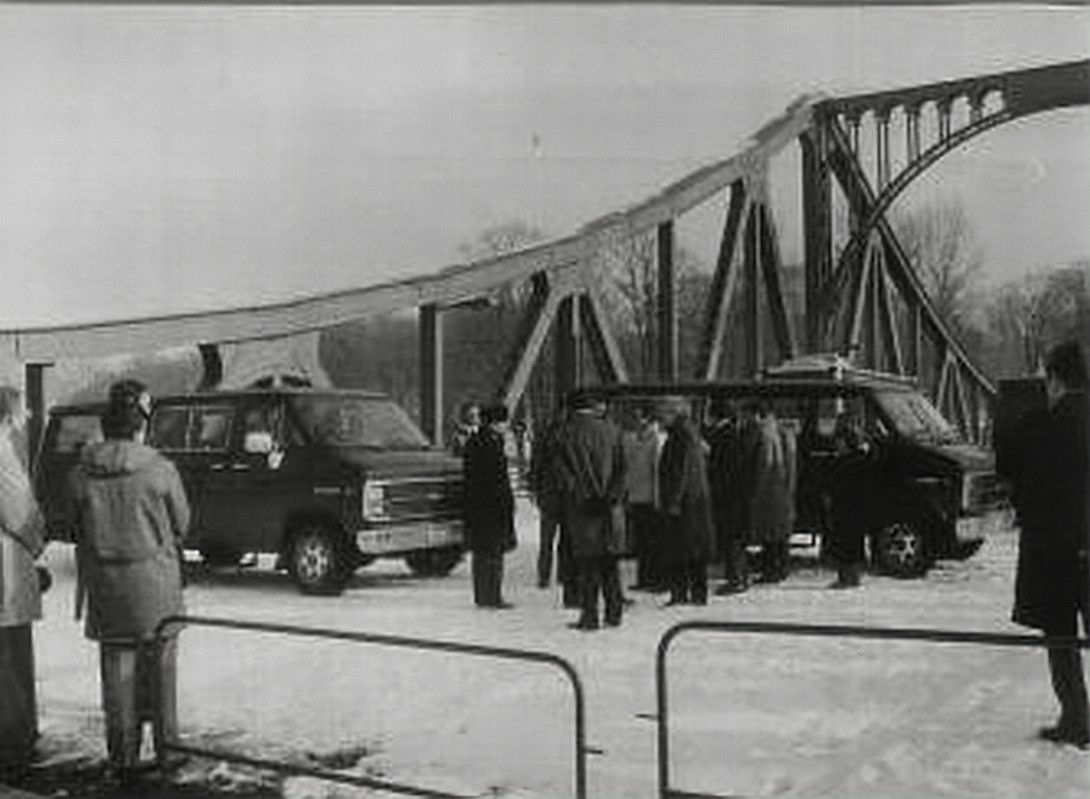
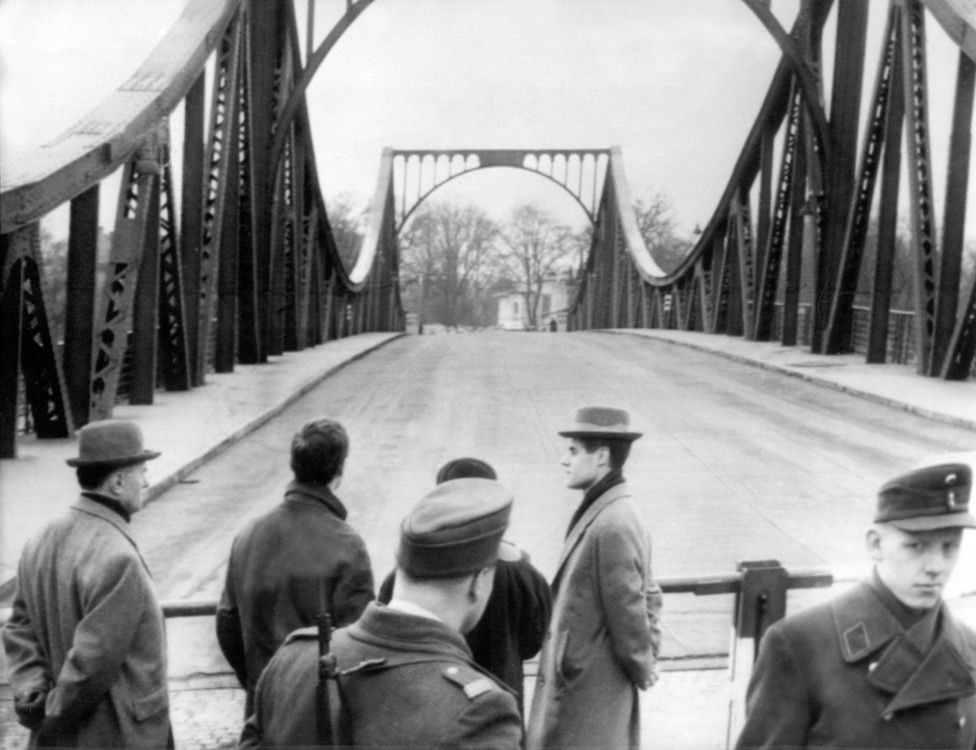
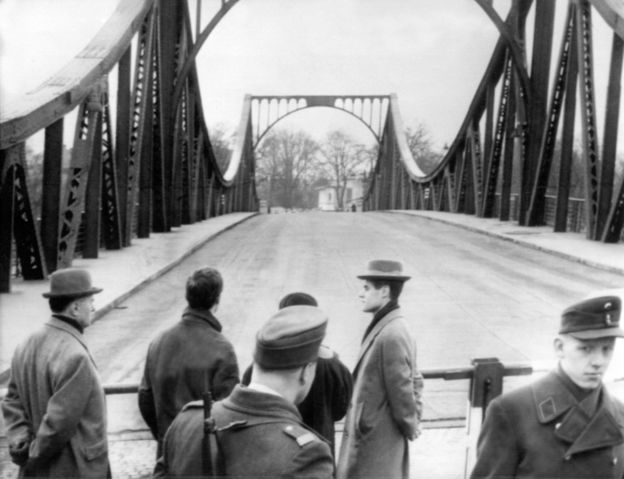
The pilot, Francis Gary Powers, was released in 1962 in
exchange for a captured Soviet spy.

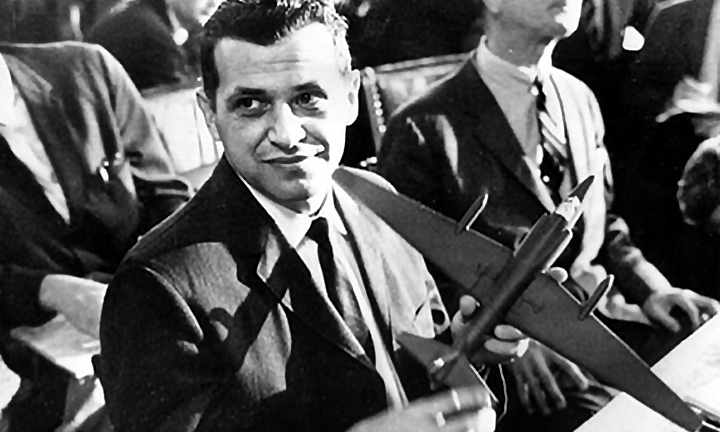
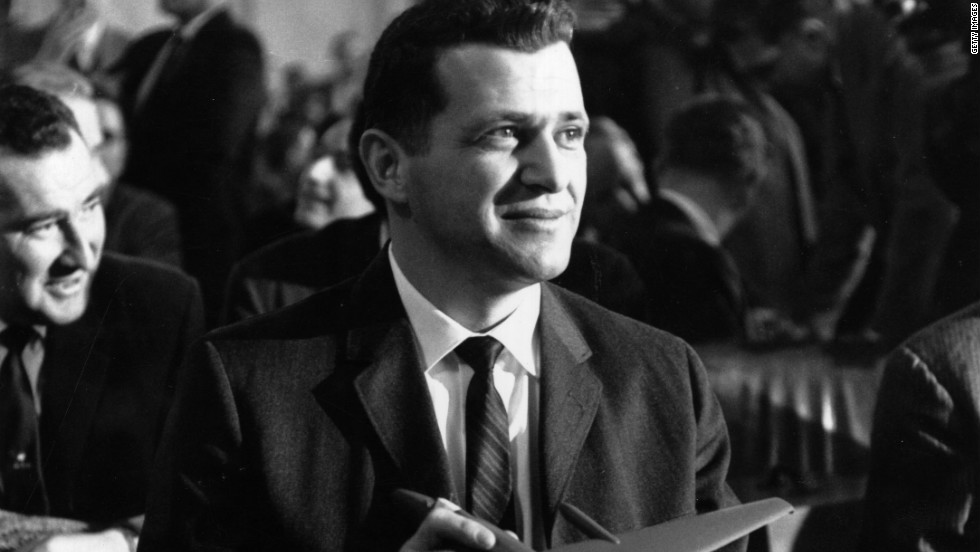
Francis Gary Powers (center) sits accused in Moscow’s Hall
of Columns, during the opening of his espionage trial, 17
August 1960. (AP)
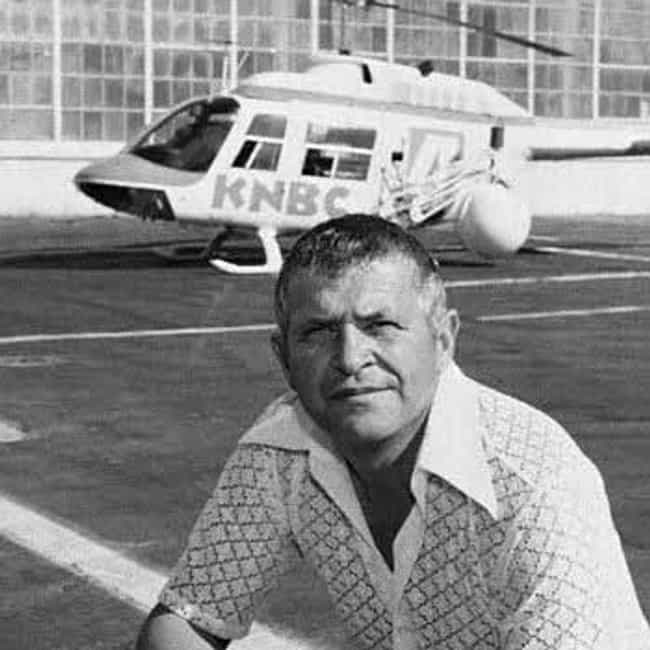
Francis Gary Powers (1929 – 1977)
I Love Lucy is a television sitcom that originally aired on
CBS from October 15, 1951, to May 6, 1957, with a total
of 180 half-hour episodes spanning six seasons.
The series starred Lucille Ball (1911-1989) and her husband
Desi Arnaz (1917-1986) (above) along with Vivian Vance and William Frawley.


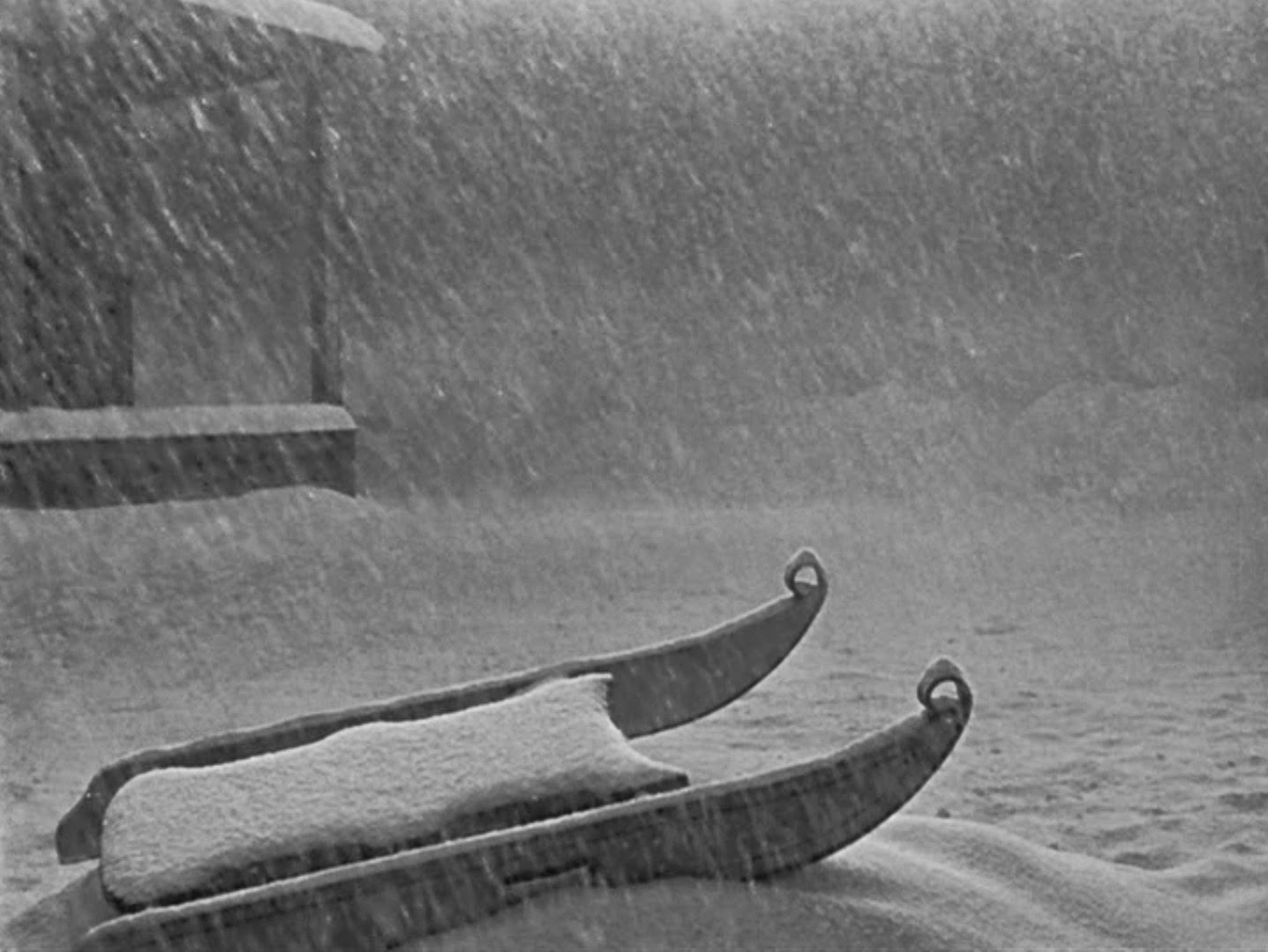
Citizen Kane is a 1941 drama film directed by, produced
by, and starring Orson Welles. Welles and Herman J.
Mankiewicz wrote the screenplay. The picture was
Welles’s first feature film. Citizen Kane is frequently
cited as the greatest film ever made.
Kane opened at the RKO Palace Theatre on Broadway in
New York on May 1, 1941, in Chicago on May 6, and in Los Angeles on May 8.
Welles said that at the Chicago premiere that he attended
the theater was almost empty.