


Members of the Flight 19 crew which disappeared in 1945.(History.com)
At 2:10 p.m., five U.S. Navy Avenger torpedo-bombers comprising Flight 19
take off from the Ft. Lauderdale Naval Air Station in Florida on a routine three-
hour training mission. Flight 19 was scheduled to take them due east for 120
miles, north for 73 miles, and then back over a final 120-mile leg that would
return them to the naval base. They never returned.
Two hours after the flight began, the leader of the squadron, who had been
flying in the area for more than six months, reported that his compass and
back-up compass had failed and that his position was unknown. The other
planes experienced similar instrument malfunctions. Radio facilities on land
were contacted to find the location of the lost squadron, but none were
successful. After two more hours of confused messages from the fliers, a
distorted radio transmission from the squadron leader was heard at 6:20
p.m., apparently calling for his men to prepare to ditch their aircraft due
to a lack of fuel.
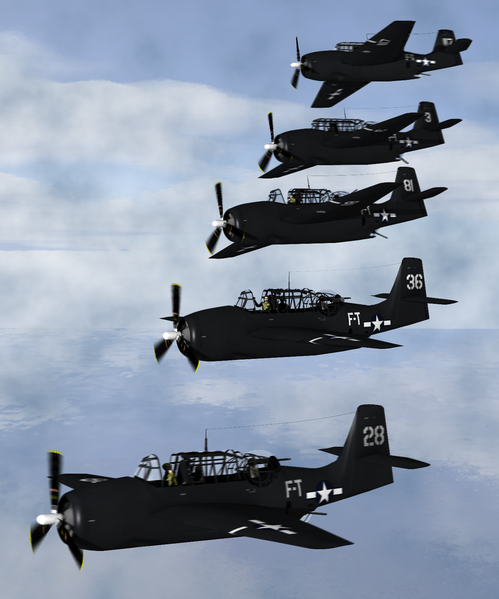
Five U.S. Navy Grumman TBF-1 Avengers from Escort Scouting Squadron 29 (VGS-29) flying in formation over Norfolk, Virginia.


MIKE GRACIA

On this day in 1947, Howard Hughes flew his "Spruce Goose," a
huge wooden airplane, for eight minutes in California. It was the
plane’s first and only flight. The "Spruce Goose," nicknamed
because of the white-gray color of the spruce used to build it,
never went into production.


Howard Robard Hughes Jr.
(December 24, 1905 – April 5, 1976)


CARLATA BRADLEY

Over Rogers Dry Lake in Southern California, pilot Chuck Yeager flew
the Bell X-1 rocket plane and became the first person to break the
sound barrier on this day in 1947.


Charles Elwood Yeager turned 96 in February.


CAMILLE
BOHANNON

The Japanese surrender ceremony aboard the USS Missouri.

Japanese foreign affairs minister Mamoru Shigemitsu (center) signs
the Japanese Instrument of Surrender, Gen. Richard K. Sutherland
(left) observes.
Japan surrendered to the U.S. aboard the USS Missouri, ending
World War II. The war ended six years and one day after it began.

Gen. Douglas MacArthur signs the Japanese surrender document.


President Harry S. Truman proclaiming this day in 1945 as V-J Day.


