

Camille Bohannon
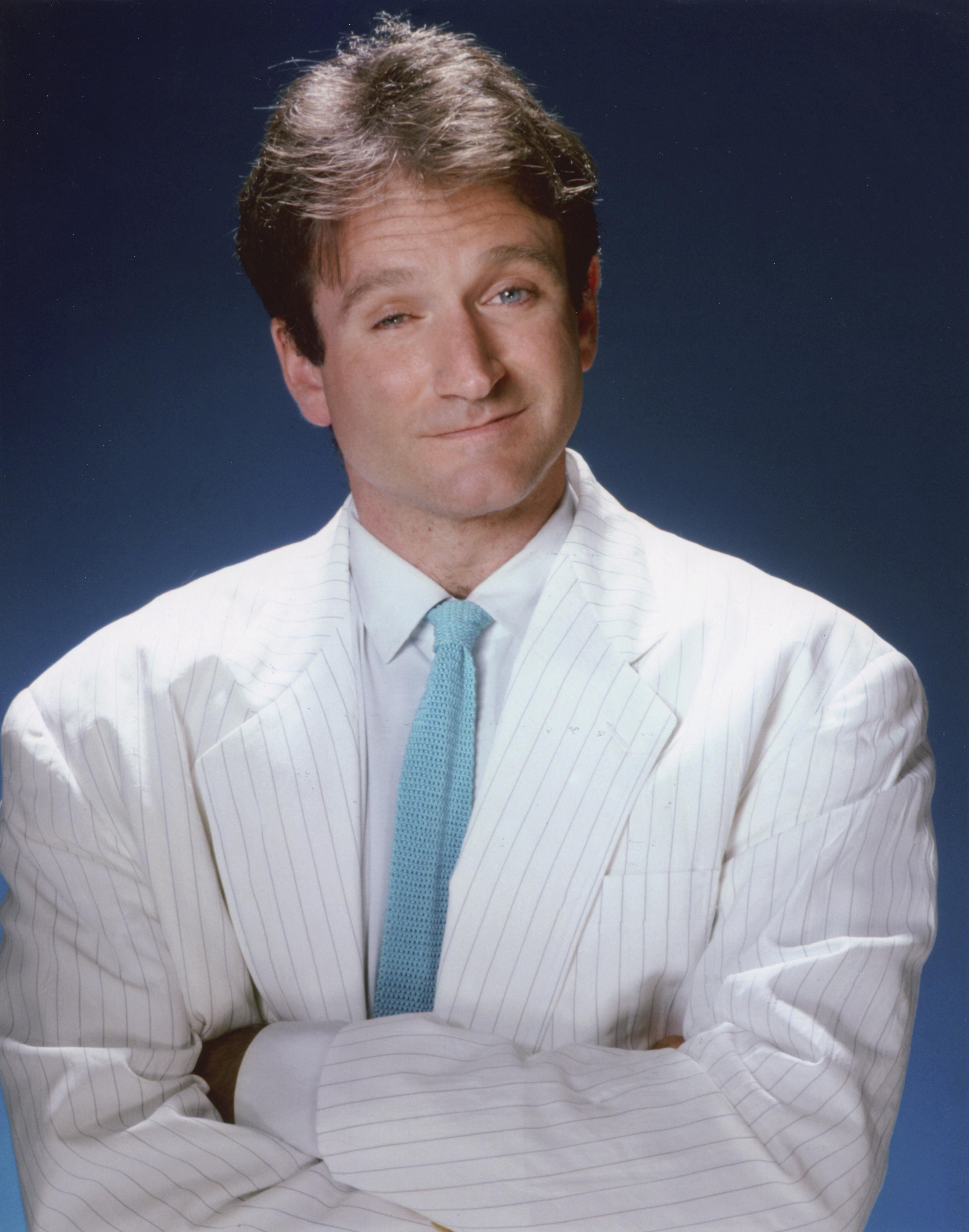


Robin McLaurin Williams (July 21, 1951 – August 11, 2014)
Williams is regarded as one of the greatest comedians of
all time.
Camille Bohannon
Robin McLaurin Williams (July 21, 1951 – August 11, 2014)
Williams is regarded as one of the greatest comedians of
all time.


Ulysses S. Grant (April 27, 1822 – July 23, 1885)
Ulysses S. Grant, Civil War leader and 18th president of the United
States, was born on April 27, 1822.
The son of a tanner, Grant showed little enthusiasm for joining his
father’s business, so the elder Grant enrolled his son at West Point
in 1839. Though Grant later admitted in his memoirs the he had no interest in the military apart from honing his equestrian skills, he
graduated in 1843 and went on to serve in the Mexican-American
War, though he opposed it on moral grounds. He then left his
beloved wife and children again to fulfill a tour of duty in California
and Oregon.

This April 1865 image provided by the Library of Congress
shows Federal troops in front of the Appomattox Court
House near the time of Confederate Gen. Robert E. Lee’s surrender to Union Lt. Gen. Ulysses S. Grant, in Appomattox,
VA. (AP Photo/Library of Congress)
On March 29, 1865, the final campaign of the Civil War began in
Virginia when Union troops under General Ulysses S. Grant
moved against the Confederate trenches around Petersburg.
General Robert E. Lee’s outnumbered Rebels were soon forced
to evacuate the city and begin a desperate race west.


Gen. Robert E. Lee’s surrender (left) to Union Lt. Gen.
Ulysses S. Grant.


Hiram Rhodes Revels (September 27, 1827 – January 16, 1901)
Hiram Rhodes Revels, a Republican from Natchez, Mississippi,
was sworn into the U.S. Senate on February 25, 1870, becoming
the first African American ever to sit in Congress.
During the Civil War, Revels, a college-educated minister, helped
form African American army regiments for the Union cause,
started a school for freed men, and served as a chaplain for the
Union army.

Drawing of Revels being sworn in.

President Lincoln signing the Emancipation Proclamation.
On January 1, 1863, Abraham Lincoln signs the Emancipation Proclamation. Attempting to stitch together a nation mired in
a bloody civil war, Abraham Lincoln made a last-ditch, but
carefully calculated, decision regarding the institution of
slavery in America.


