Sir Alexander Fleming (August 6, 1881 – March 11, 1955)
Sir Alexander Fleming (above) was a young bacteriologist when
an accidental discovery led to one of the great developments
of modern medicine on September 28, 1928. Having left a plate
of staphylococcus bacteria uncovered, Fleming noticed that
a mold that had fallen on the culture had killed many of the
bacteria. He identified the mold as penicillium notatum,
similar to the kind found on bread.
In 1929, Fleming introduced his mold by-product called
penicillin to cure bacterial infections.
Soldiers from Fort Riley, Kansas, ill with Spanish flu at a hospital
ward at Camp Funston.
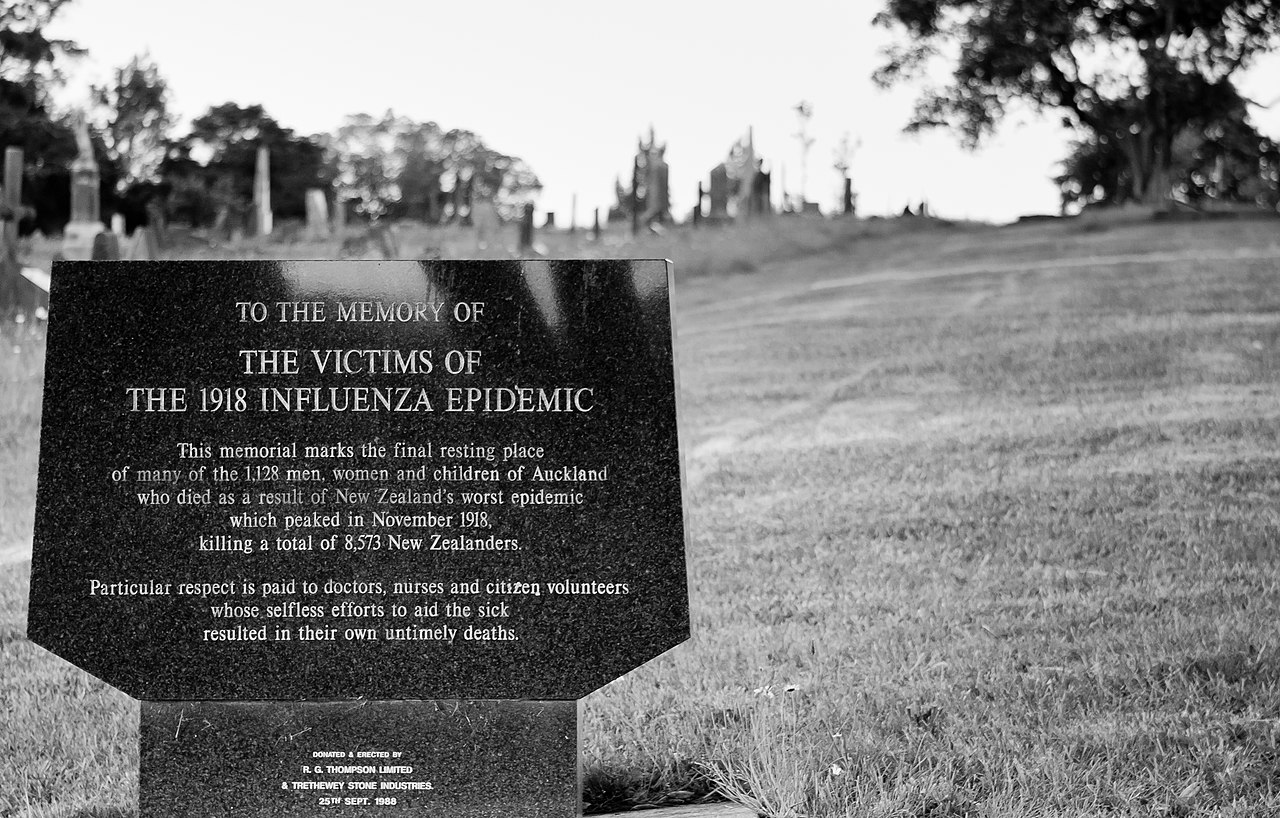
Just before breakfast on the morning of March 4, Private Albert Gitchell of the
U.S. Army reports to the hospital at Fort Riley, Kansas, complaining of the cold-
like symptoms of sore throat, fever and headache. Soon after, over 100 of his
fellow soldiers had reported similar symptoms, marking what are believed to
be the first cases in the historic influenza pandemic of 1918, later known as Spanish flu. The flu would eventually kill 675,000 Americans and an estimated
20 million to 50 million people around the world, proving to be a far deadlier
force than even the First World War.
On this day in 1868, Christopher Latham Sholes received a patent for an invention that he called a "Type-Writer." It became the first machine to be mass-produced.
Christopher Latham Sholes (February 14, 1819 – February 17, 1890)
The world’s first typist was Lillian Sholes, daughter of Christopher Sholes. The machine typed only in capital letters.
On this day in 1945, the U.S. B-29 bomber, known as the Enola Gay, dropped the first atomic bomb on an inhabited area. The bomb named "Little Boy"(pictured below) was dropped over the center of Hiroshima, Japan. An estimated 140,000 people were killed.
The above August 6, 1945 file photos shows the destruction from the atomic bomb explosion on Hiroshima, Japan.