CBS-TV anchorman Walter Cronkite as he removes his
glasses and prepares to announce the death of President
John F. Kennedy.
CBS-TV anchorman Walter Cronkite as he removes his
glasses and prepares to announce the death of President
John F. Kennedy.
On November 19, 1863, at the dedication of a military cemetery
at Gettysburg, Pennsylvania, during the American Civil War,
President Abraham Lincoln delivered one of the most memorable speeches in American history. In fewer than 275 words, Lincoln
brilliantly and movingly reminded a war-weary public why the
Union had to fight, and win, the Civil War. Lincoln’s address
lasted just two or three minutes.
Four score and seven years ago our fathers brought forth, on this continent, a new nation, conceived in Liberty, and dedicated to the proposition that all men are created equal.
Now we are engaged in a great civil war, testing whether that nation,
or any nation so conceived and so dedicated, can long endure. We
are met on a great battle-field of that war. We have come to dedicate
a portion of that field, as a final resting place for those who here
gave their lives that that nation might live. It is altogether fitting
and proper that we should do this.
But, in a larger sense, we can not dedicate—we can not consecrate—
we can not hallow—this ground. The brave men, living and dead,
who struggled here, have consecrated it, far above our poor power
to add or detract. The world will little note, nor long remember what
we say here, but it can never forget what they did here. It is for us
the living, rather, to be dedicated here to the unfinished work which
they who fought here have thus far so nobly advanced. It is rather
for us to be here dedicated to the great task remaining before us—
that from these honored dead we take increased devotion to that
cause for which they gave the last full measure of devotion—that
we here highly resolve that these dead shall not have died in vain—
that this nation, under God, shall have a new birth of freedom—and
that government of the people, by the people, for the people, shall
not perish from the earth.
Abraham Lincoln
November 19, 1863.


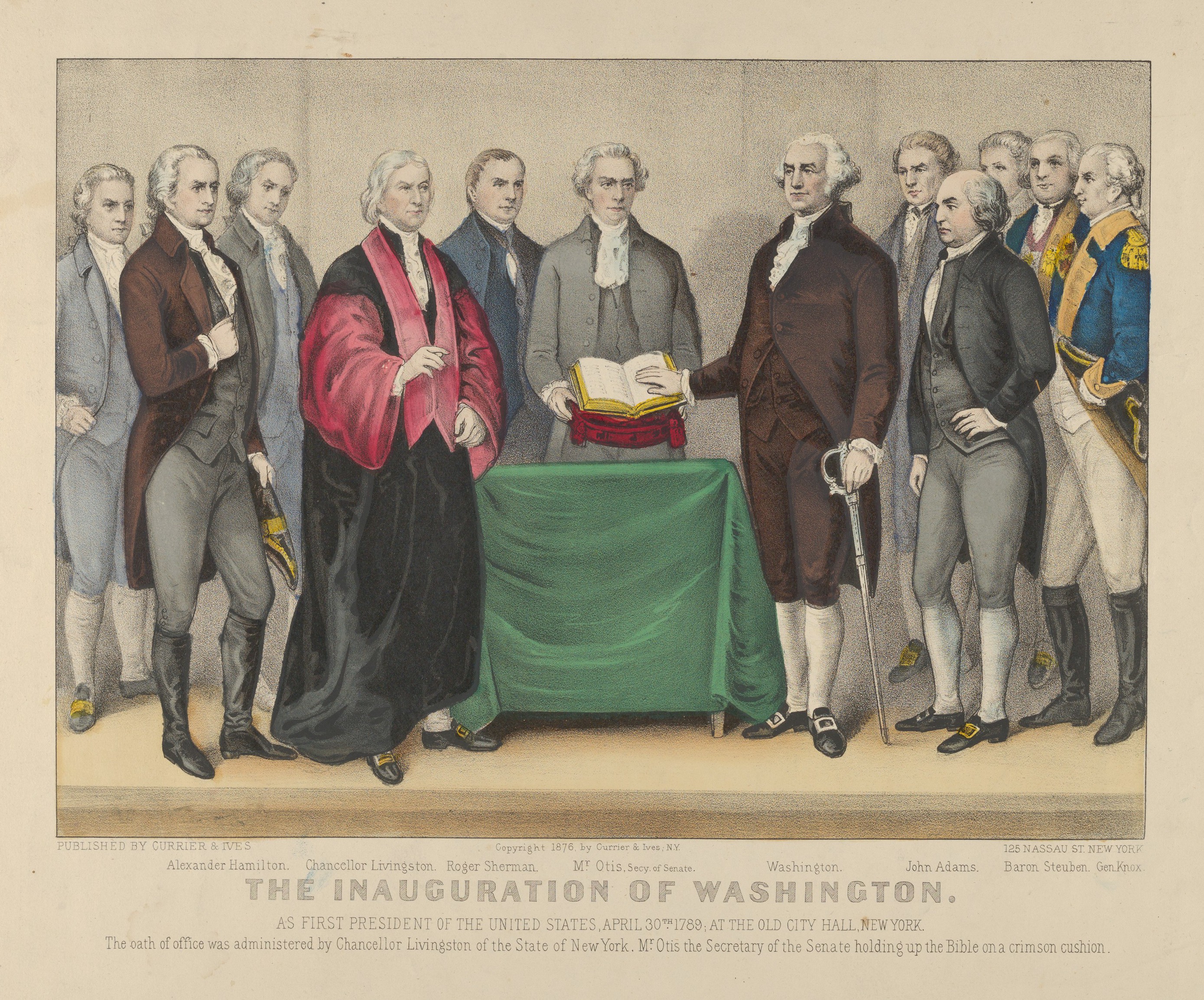
During the American Revolution, the Continental Congress passed
a resolution stating that “two Battalions of Marines be raised” for
service as landing forces for the recently formed Continental Navy.
The resolution, drafted by future U.S. president John Adams and
adopted in Philadelphia, created the Continental Marines and is
now observed as the birth date of the United States Marine Corps.

John Adams (October 30, 1735– July 4, 1826)

Abraham Lincoln was elected the 16th president of the United
States over a deeply divided Democratic Party, becoming the
first Republican to win the presidency. Lincoln received only
40 percent of the popular vote but handily defeated the three
other candidates: Southern Democrat John C. Breckinridge, Constitutional Union candidate John Bell, and Northern
Democrat Stephen Douglas, a U.S. senator for Illinois.

On November 5, 1940, Franklin Delano Roosevelt was re-elected
for an unprecedented third term as president of the United States.