On this day in 1859, Abolitionist John Brown led a raid on the federal arsenal at Harper’s Ferry, VA (now located in West Virginia). He was hoping to instigate a wider slave rebellion.
"John Brown’s Fort" at Harpers Ferry.
John Brown (May 9, 1800 – December 2, 1859)
On this day in 1987, Rescuers freed Jessica McClure from the abandoned well that she had fallen into in Midland, TX. She was trapped for 58 hours.
On this day in 1862, the Confederates defeated Union forces at the second Battle of Bull Run in Manassas, VA.
Stonewall Jackson, Confederate General.
It was on this day in 1967. He would be the first black court justice.
Thurgood Marshall (July 2, 1908 – January 24, 1993)
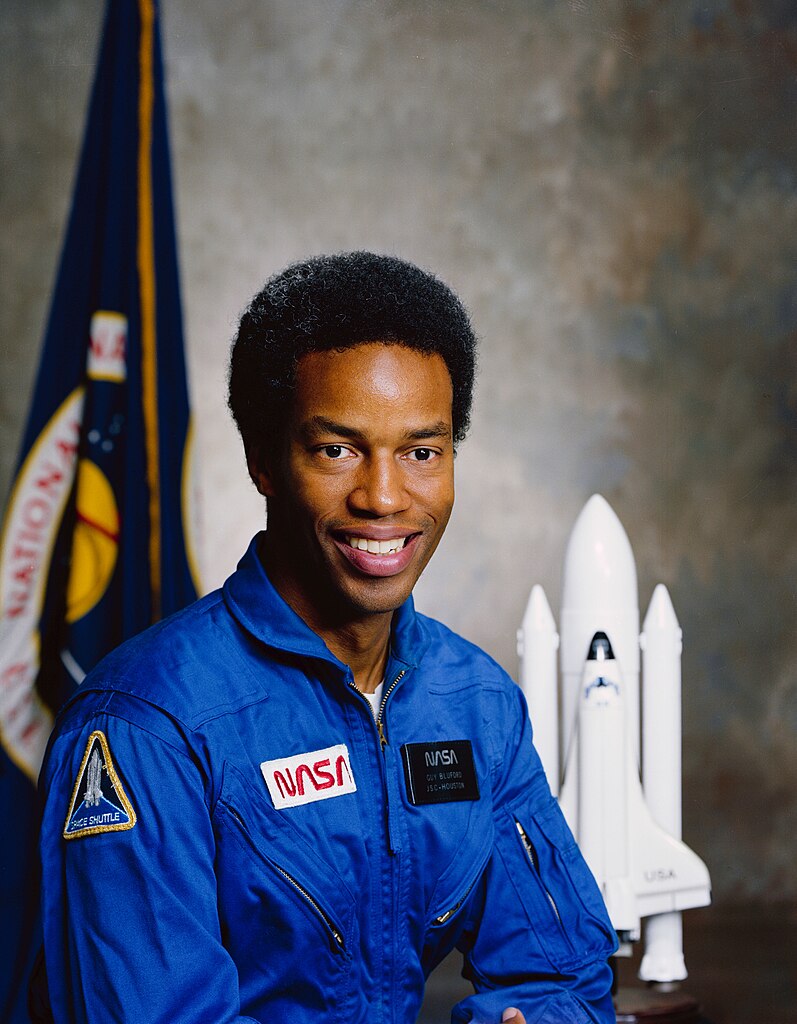
The space shuttle Challenger was launched on this day in 1983 with Guion S. Bluford Jr. aboard. He was the first African American to travel in space when the shuttle embarked on its third mission.
Guion Stewart Bluford Jr. will be 76 on November 22.
Mary Wollstonecraft Shelley (Godwin) (August 30, 1797 – February 1, 1851)
British author Mary Shelley is best known for her Gothic novel Frankenstein. Her less famous works include novels such as Valperga, Perkin Warbeck, and The Last Man.
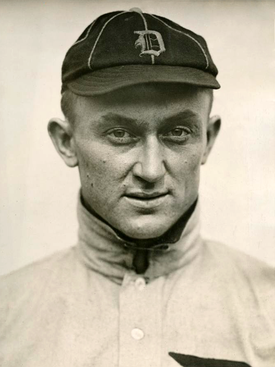
Baseballs Ty Cobb made his major league batting debut with the Detroit Tigers on this day in 1905.
Tyrus Raymond Cobb (December 18, 1886 – July 17, 1961) Nicknamed: The Georgia Peach
The Mongol conqueror Ghengis Khan (Temüjin Borjigin) died on this day in 1227.
Tennessee ratified the 19th Amendment to the U.S. Constitution on this day in 1920. The Amendment guaranteed the right of all women in America to vote.
James Meredith graduated from the University of Mississippi on this day in 1963. He was the first black man to accomplish this feat.
James Howard Meredith turned 85 in June.
Vladimir Nabokov’s controversial novel "Lolita" was published on this day in 1958.
Vladimir Vladimirovich Nabokov (April 22, 1899 – July 2, 1977)
Actor and director Robert Redford founded the Sundance Film Festival. He starred in classics such as All the President’s Men (1976), The Sting (1973), and Butch Cassidy and the Sundance Kid (1969). His directorial debut, Ordinary People (1980) received the Academy Award for Best Picture and earned him the Academy Award for Best Director.
Robert Redford as seen in season 3, episode 81 of The Twilight Zone (‘’Nothing in the Dark”). It first aired January 5, 1962.
On this day in 1914, Germany declared war on Russia at the start of World War I.
‘A Berlin crowd listens as a German officer reads the Kaiser’s order for mobilization on 1st August 1914′.
Adolf Hitler (second from right) presided over the Olympic games as they opened in Berlin on this day in 1936.
African American Jesse Owens was the star of Berlin, becoming the first American in Olympic track and field history to win four gold medals at a single Games. He won the 100-yard dash, the long jump, 200-yard dash and the 4×100-yard relay.
In Warsaw, Poland, an uprising against Nazi occupation began on this day in 1944. The revolt continued until October 2 when Polish forces surrendered.
German Troops set fire to a village in Poland.
Herman Melville (August 1, 1819 – September 28, 1891)
Melville was an American novelist, short story writer, and poet of the American Renaissance period. His best known works include Typee (1846), a romantic account of his experiences in Polynesian life, and his whaling novel Moby-Dick (1851).
MTV made its debut at 12:01am on this day in 1981. The first video to be shown was "Video Killed the Radio Star" by the Buggles.
"Ladies and gentlemen, rock and roll". Those were the words TV audiences heard on August 1, 1981 when a brand new channel called Music Television launched.