


May Day is a public holiday celebrated on May 1 in many different cultures around the world. It is a day of unity, togetherness, and
rebirth; a day for everyone to come together and celebrate life as
we know it!
Throughout the years and decades, there have been different
meanings, festivities, and representations of May Day. The
meaning of seasonal change has been the most significant one
amongst different countries.


Months before its release, Orson Welles’ film Citizen Kane began generating such controversy that Radio City Music Hall eventually refused to show it. Instead, Citizen Kane, now revered as one of
the greatest movies in history, made its debut at the smaller RKO
Palace Theater on May 1, 1941.


George Orson Welles
(May 6, 1915 – October 10, 1985)
Orson Welles is considered to be among the
greatest and most influential filmmakers of
all time.


The wreckage of Francis Gary Powers’ U-2 spy plane
(top/bottom) on May 1, 1960.
An American U-2 spy plane piloted by Francis Gary Powers was
shot down while conducting espionage over the Soviet Union.
The incident derailed an important summit meeting between
President Dwight D. Eisenhower and Soviet leader Nikita
Khrushchev that was scheduled for later that month.

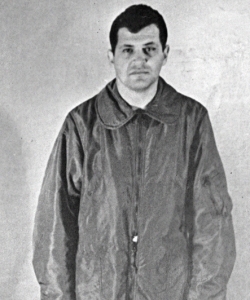

After being shot down, Powers (right) appeared in the dock
of the Supreme Court of the U.S.S.R. and was tried by the
Soviet Military Board on August 19, 1960.

Francis Gary Powers holds a model of a U-2 spy plane as he testifies before the U.S. Senate Armed Services Committee
after his release from Soviet prison in march 1962.
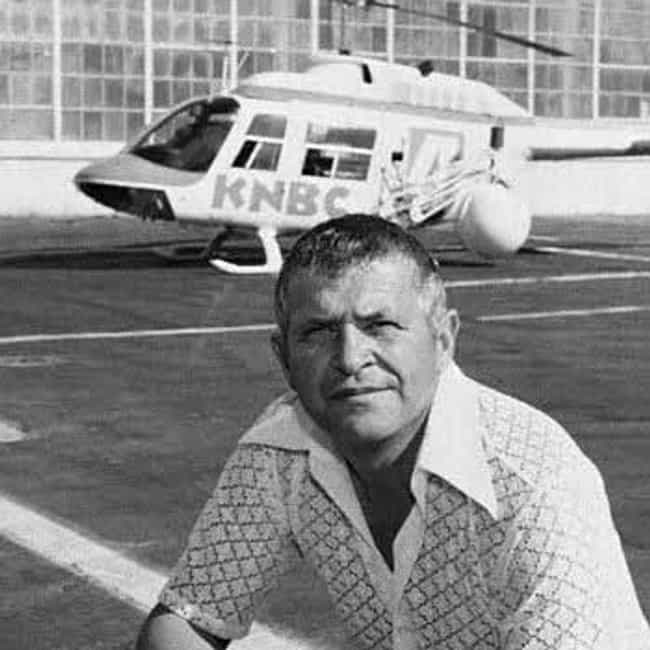
Francis Gary Powers (August 17, 1929 – August 1, 1977)
Powers was piloting a helicopter for Los Angeles TV station
KNBC Channel 4 over the San Fernando Valley on August 1,
1977, when the aircraft crashed, killing him and his cameraman
George Spears.


